
Understanding the Primary Chemicals in E Cigarettes and Their Effects on Health
What Are E Cigarettes and How Do They Work?
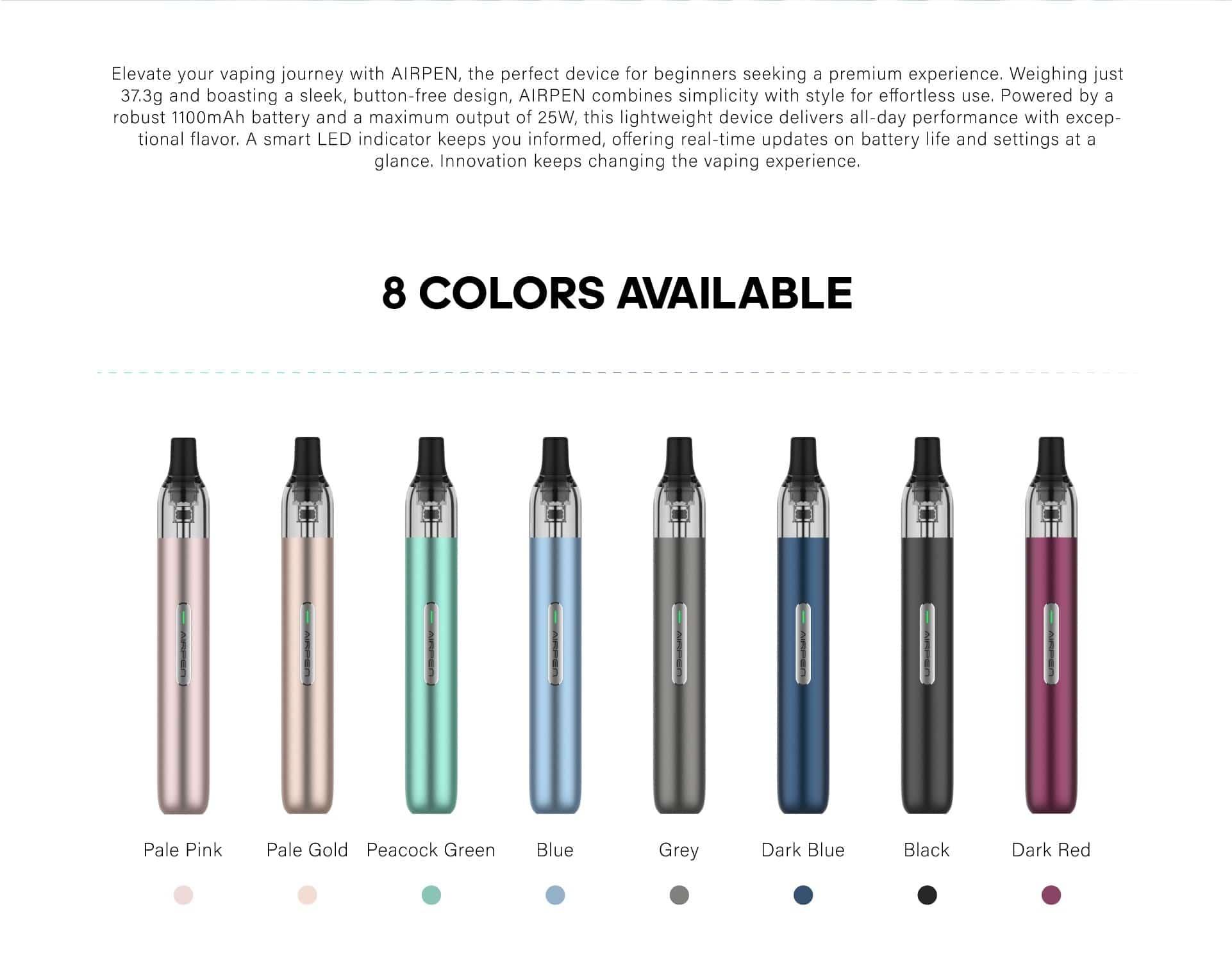
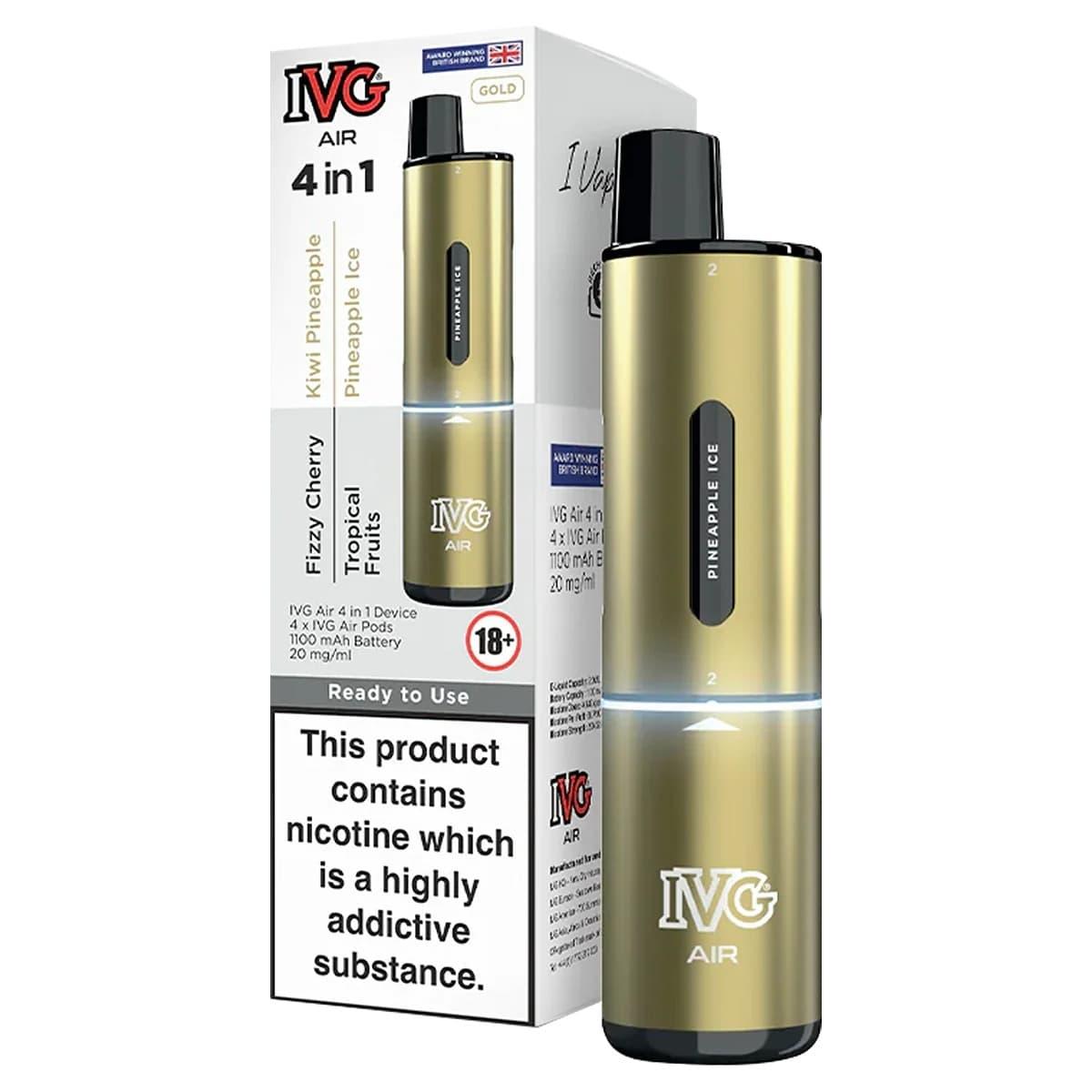
E-cigarettes are battery-operated devices designed to deliver chemicals to users in vapor form, rather than smoke. Inside each device is a reservoir filled with e-liquid, which is heated and transformed into an inhalable aerosol. But what forms the backbone of this liquid solution?
The Main Chemical Component: Propylene Glycol and Vegetable Glycerin
When researching what is the main chemical in e cigarettes, you’ll consistently find two dominant ingredients: propylene glycol (PG) and vegetable glycerin (VG). Both of these substances are used extensively to create the vapor.
- Propylene Glycol (PG): This clear, odorless liquid is prized for its ability to carry flavor and produce a throat hit similar to traditional smoking. PG is generally recognized as safe for ingestion, but its effects when inhaled are still under investigation.
- Vegetable Glycerin (VG): VG is a thicker, sweeter liquid derived from plant oils. It generates large plumes of vapor and imparts a smoother inhale.
Most e-liquids blend PG and VG in varying ratios. These bases dissolve and transport the other substances in the e-liquid, including flavors and, often, nicotine.

Nicotine: The Psychoactive Chemical
While PG and VG serve as carriers, nicotine is frequently the featured active chemical in e-cigarettes. It’s the addictive agent naturally present in tobacco, added to e-liquids in different strengths. When inhaled, nicotine quickly enters the bloodstream, producing pleasurable sensations and, over time, dependency.
Other Chemicals and Flavoring Agents
Synthetic flavorings are another key component in vaping liquids. These compounds achieve the diverse and appealing tastes of modern e-cigarettes. Although many are approved for oral consumption, their safety when heated and inhaled remains less clear. In some cases, flavors may contain substances like diacetyl—linked with respiratory concerns in manufacturing settings.
- Trace Metals: Studies show that some e-cigarette aerosol can contain small amounts of metals such as lead, nickel, or tin, coming from the device’s heating coil.
- Other Byproducts: Heating the main chemicals can yield new compounds such as formaldehyde or acrolein, both recognized as potentially hazardous when inhaled.
Health Implications of E Cigarette Chemicals
So, what does repeated exposure to these chemicals mean for your body?
- Respiratory Effects: Inhalation of propylene glycol and vegetable glycerin may irritate the lungs and air passages, especially with long-term or heavy use.
- Addiction: Because nicotine is highly addictive, users can experience dependency, withdrawal symptoms, and difficulties quitting.
- Heart Health: Nicotine can raise blood pressure and heart rate, contributing to greater cardiovascular risks.
- Unknowns: While what is the main chemical in e cigarettes centers largely on PG, VG, and nicotine, the lack of long-term studies means some risks could still be unidentified—especially from flavored additives or thermal breakdown byproducts.
Comparing E Cigarettes to Traditional Cigarettes
E-cigarettes contain fewer of the carcinogenic and toxic chemicals associated with burned tobacco. Nevertheless, the core chemicals like nicotine still pose individual health hazards, and the inhalation of vapor is not equivalent to breathing clean air. It is a misconception that vaping is entirely harmless, even if it is less damaging than smoking conventional cigarettes for many users.
Current Research and Regulatory Perspectives
Leading health organizations, such as the CDC and FDA, continue to evaluate the risks associated with e-cigarette use. Regulations are also evolving, aiming to limit appealing flavors for minors and to publicize the most up-to-date research on health impacts.
Conclusion: Making Informed Choices
Understanding what is the main chemical in e cigarettes empowers consumers to make informed choices about vaping. Propylene glycol and vegetable glycerin form the vapor, nicotine creates the habit, and flavors add appeal—but none are entirely free of risk, especially when regularly inhaled.
FAQs About E Cigarette Chemicals
- Do all e-liquids contain nicotine?
- Not every e-liquid contains nicotine; several products offer nicotine-free options. However, many popular vape juices still include nicotine at various concentrations, so always check the label.
- Is propylene glycol safe to inhale?
- While PG is approved for use in foods and pharmaceuticals, its long-term health effects when inhaled as vapor are still not fully understood. Some users experience throat irritation or allergic responses.
- Are flavor chemicals in e-cigarettes dangerous?
- Many flavorings are food-grade but may pose risks when heated and inhaled. Some, like diacetyl, have been linked to respiratory illness in occupational settings, so caution is advised.