
Are E Cigarettes Cheaper Than Smoking? Comparing Costs, Savings, and Value
If you’re considering the shift from smoking traditional cigarettes to e-cigarettes, one of your primary questions is likely: are e cigarettes cheaper than smoking? To make an informed decision, it’s essential to compare the upfront and ongoing costs of both options, evaluate additional benefits, and understand the long-term financial impact.
Cost Breakdown: Traditional Cigarettes vs E-Cigarettes
Let’s begin by analyzing the average expenses associated with regular cigarettes. Prices vary dramatically by country and region, but in the United States, a pack of cigarettes can cost anywhere from $6 to $13. A pack-a-day smoker can expect to spend between $180 and $400 or more per month. That adds up to thousands per year.
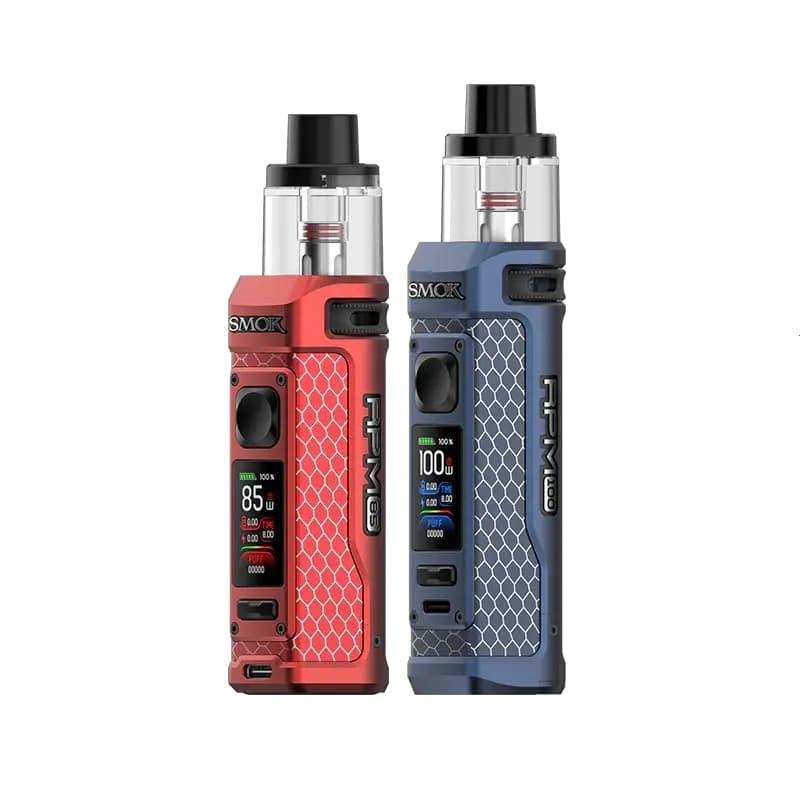
On the other hand, e-cigarettes—specifically refillable vaping devices—require an initial purchase, but ongoing spending is typically much lower. For example, a reliable starter kit may range from $20 to $60, with premium models costing more.
- Purchase of an e-cigarette device: $20–$60 (one-time initial cost)
- Replacement coils/pods: $2–$7 each, replaced every 1–2 weeks
- Refill e-liquid: $10–$30 per 30ml bottle, lasting 1–2 weeks depending on usage
The monthly cost for a moderate vaper often ranges from $30 to $70, sometimes less.
Ongoing Savings: Are E Cigarettes Cheaper Than Smoking Over Time?
The key to understanding the savings is assessing the long-term monthly and annual outlay. After the initial purchase, vaping costs typically drop and remain stable unless you upgrade devices or increase usage. In comparison, the ongoing purchase of cigarettes never ends, and prices can increase with taxes and inflation.
Example monthly comparison:
Traditional cigarettes (1 pack/day):
$210–$390 per month
E-cigarettes (moderate use):
$30–$70 per month
This suggests that vapers may potentially save hundreds of dollars monthly by switching.
Additional Costs & Considerations
When answering the question are e cigarettes cheaper than smoking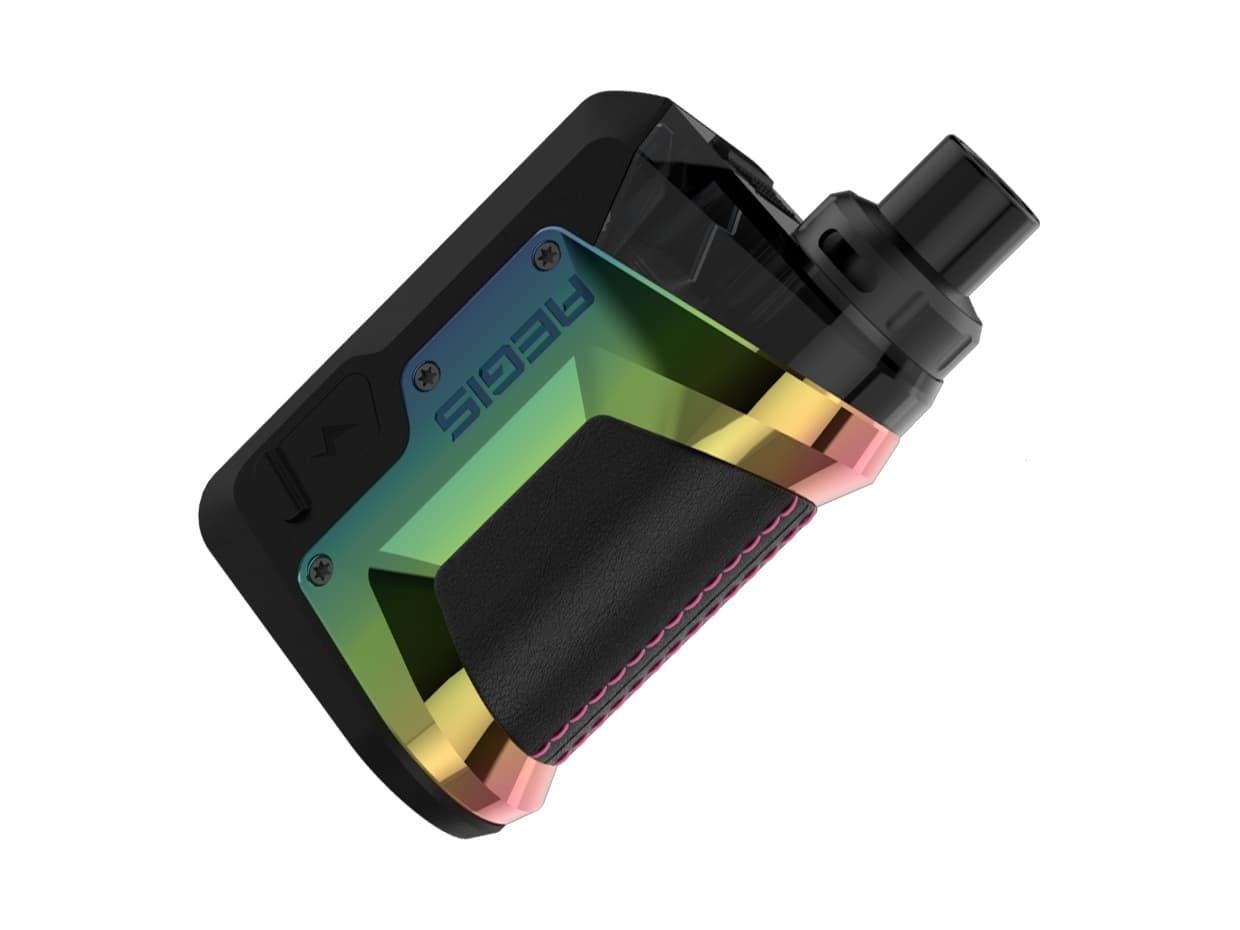 , it’s important to factor in these additional aspects:
- Regional differences: Cigarette and vape taxes differ depending on location.
- Device upgrades: Enthusiasts might invest in new or more advanced equipment, adding costs.
- Maintenance: Occasional accessory replacements (like batteries or chargers) add minor expenses.
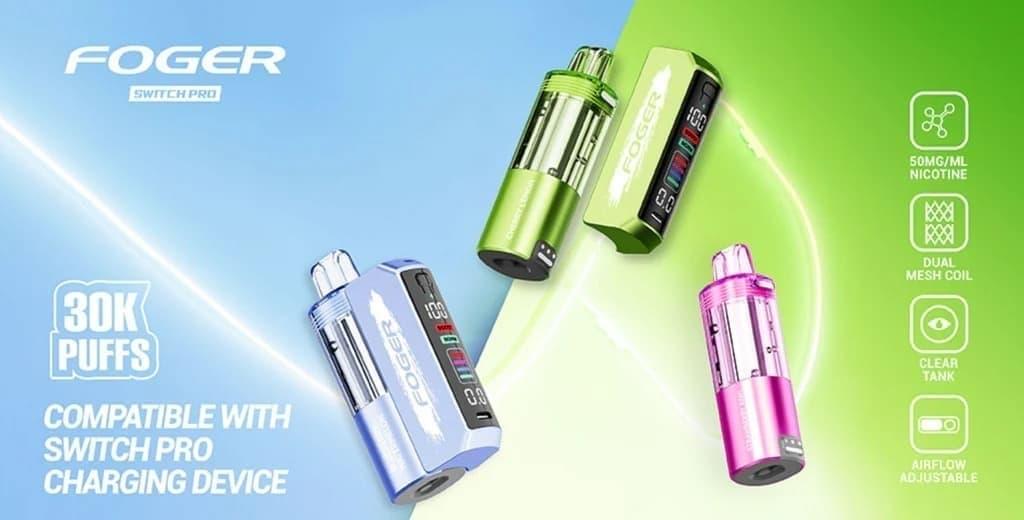
- Disposable vapes: Usually costlier per puff than refillable devices, but may still cost less than cigarettes for casual users.
Potential Health and Lifestyle Benefits
Although this article focuses on the cost, let’s briefly explore related savings. Quitting cigarettes sometimes reduces health insurance premiums and future medical costs related to smoking-related illnesses. Many vapers report improvements in senses of taste and smell, better breath, less home/car cleaning required, and the potential for easier smoking cessation—all of which provide value beyond monetary savings.
Environmental Cost Perspective
While the main discussion is are e cigarettes cheaper than smoking, e-cigarettes can also be less environmentally damaging due to fewer disposable filters and less packaging waste (if using refillable systems). However, battery disposal and plastic use are still environmental factors to consider.
Comparing Social Experiences
Cigarettes have restrictions in most social settings, and the odor lingers on clothing, hair, and skin. Vaping, while regulated in many places, produces a less offensive aroma, potentially reducing dry-cleaning costs and eliminating the need for air fresheners or odor removal products.
Quick Savings Calculator
For those asking, “are e cigarettes cheaper than smoking?” it’s helpful to do some quick math:
- Calculate your current monthly spending on cigarettes.
- Add up your estimated e-cigarette device start-up cost and ongoing monthly refill/maintenance costs.
- Subtract the e-cigarette number from the cigarette number for your monthly savings.
Over a year, this can mean saving enough for a significant purchase—vacations, electronics, or investing in your health.
Other Factors That Influence Total Cost
- Smoking habits: Heavier smokers/vapers will naturally incur higher costs.
- Local taxes: Some regions may impose high taxes on vapes or e-liquids, narrowing the cost gap.
- Discounts/loyalty programs: Vapeshops and online retailers frequently run promotions to keep costs down.
- Nicotine strength: Users who vape less frequently or at lower nicotine strengths will save more.
Conclusion: E-Cigarettes vs. Traditional Smoking – Which is More Affordable?
All financial evidence clearly points to e-cigarettes being cheaper than smoking for the majority of users, especially those who were heavy cigarette smokers. With initial device costs absorbed over time, and the steady price of e-liquids and accessories, most individuals will notice significant monthly and yearly savings. Of course, actual savings depend on personal usage patterns, regional pricing, and whether one chooses refillable or disposable vapes.
FAQ: Comparing Smoking and Vaping Expenses
- Q1: Will switching to e-cigarettes save me money if I smoke less than a pack per day?
- Yes. Lighter smokers typically still save money, though the difference may be less dramatic than for heavy smokers.
- Q2: Are disposables or refillable vapes more cost-efficient?
- Refillable vapes are generally more cost-effective over time, though disposables may suit very infrequent vapers.
- Q3: Are there hidden costs to vaping that I should know about?
- Occasional costs like device replacements or battery care exist, but they rarely outweigh the cost of buying cigarettes regularly.
Evaluating the question are e cigarettes cheaper than smoking reveals clear savings for most users. However, your ultimate cost will depend on your usage levels and product choices.