
Practical guidance for traveling with rechargeable devices and Vape gear
If you use an electronic nicotine delivery system, understanding airport rules can save time, reduce stress, and keep your gear safe. This comprehensive guide focuses on how to prepare, pack, and move through security when carrying a Vape or related items, and explains common expectations at an electronic cigarette airport checkpoint. It offers actionable tips for domestic and international flights, battery safety advice, and recommendations for minimizing friction with security staff and customs officers. Read on for checklists, packing strategies, and etiquette so you can travel with confidence and stay compliant with airline and airport policies.
Overview: why rules exist and what they typically cover
Airports and airlines regulate Vape devices and e-liquids primarily for safety and regulatory reasons. Lithium batteries pose fire risks if shorted or damaged, and liquids fall under the usual aviation restrictions. Policies can refer to device type (disposable devices, pod systems, mods), battery size (mAh/Wh), and container volumes for e-liquid. Many jurisdictions treat an electronic cigarette airport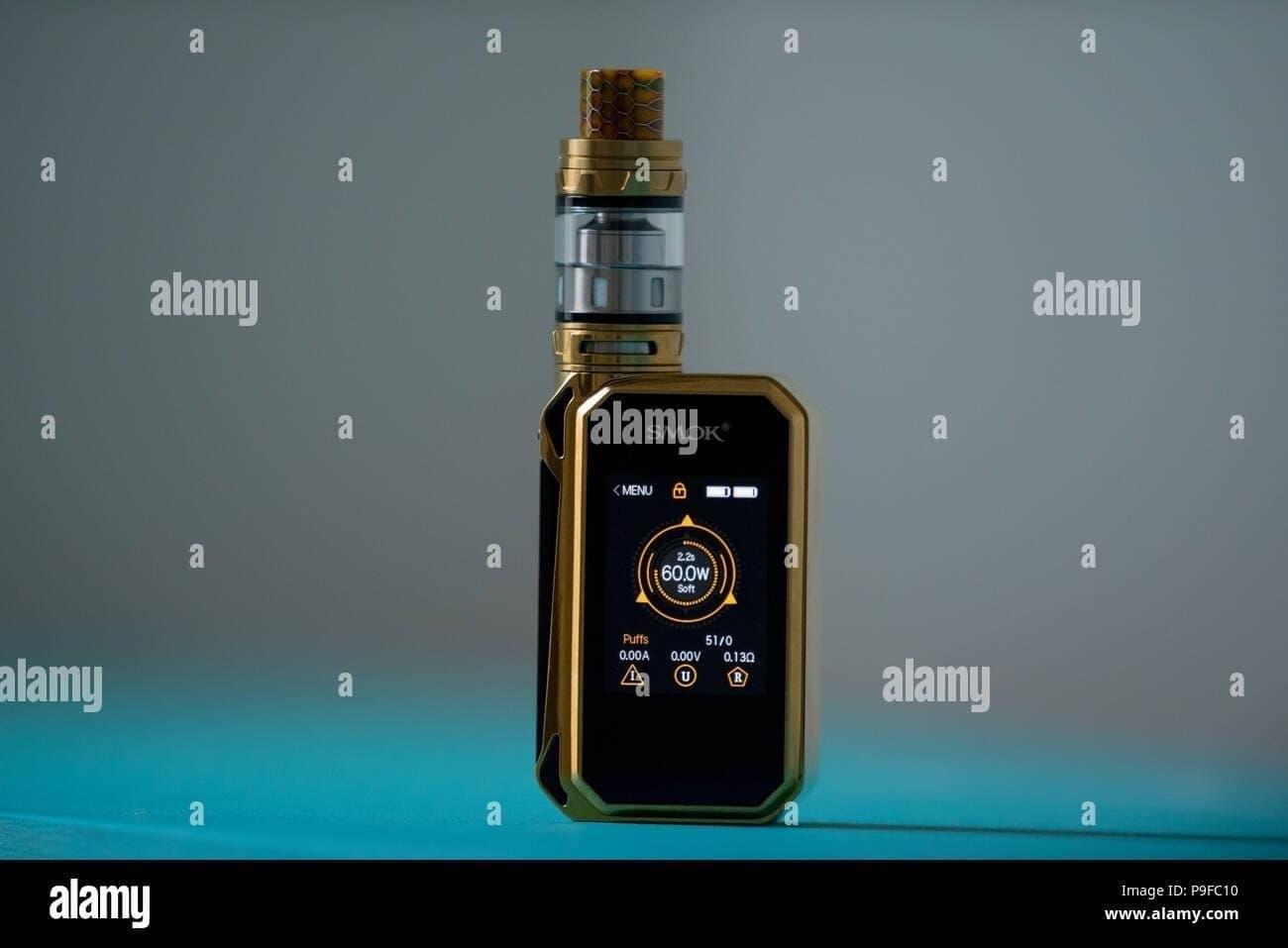 policy as part of broader carry-on and hazardous goods rules, so understanding the intersection of these regulations is essential if you plan to bring a mod, a pod kit, spare batteries, chargers, or e-liquid bottles.
Who sets the rules?
- International Civil Aviation Organization (ICAO) and International Air Transport Association (IATA) set guidance adopted by airlines and national regulators.
- National aviation authorities (e.g., FAA in the United States, EASA in Europe) publish local rules that airports and airlines enforce.
- Individual airlines may have stricter rules—review carrier policies before you travel.
Key principles for packing and carrying a Vape
Follow three core principles: carry batteries in the cabin, keep devices turned off, and pack e-liquids under liquid limits. Most airlines require that powered nicotine devices and spare lithium batteries be transported in carry-on baggage only—never in checked luggage—because cabin crews can respond to incidents more quickly. For liquids, follow the airport’s small-container rules (typically 100 ml/3.4 oz per container under the liquids rule for carry-on), and store all e-liquid bottles in a sealed, clear bag as part of your security screening.
Checklist for your carry-on
- Vape device(s) powered down and protected (battery door closed, switches taped if necessary).
- Spare batteries in protective cases or individually insulated sleeves to prevent short circuits.
- Chargers and charging cables in a separate compartment for easy inspection.
- E-liquid bottles within liquid limits and in a resealable clear plastic bag.
- Pod cartridges or sealed pre-filled devices stored to avoid leaks; bring extras if needed.
- Documentation if you carry medical nicotine replacement product with a prescription or doctor’s note.
 Vape travelers guide to electronic cigarette airport policies and how to carry a Vape on flights” />
Battery rules explained: Wh, mAh, and spare cell handling
When airports or airlines refer to battery limits, they often use watt‑hours (Wh) or milliamps‑hour (mAh) to define acceptable sizes. Typical rules allow batteries under 100 Wh in carry-on without airline approval. Batteries between 100 Wh and 160 Wh may require airline approval and are limited in number; batteries above 160 Wh are almost always prohibited. For integrated batteries, the device is usually allowed in the cabin if it can be carried on and safely turned off. Spare batteries, however, must be protected from short circuits. Use original packaging or a battery case and ensure terminals are covered.
Practical battery tips
- Calculate Wh if you have only mAh: Wh = (mAh × Voltage) / 1000. Many common 18650 cells are labeled with voltage (3.7 V) and mAh (e.g., 3000 mAh).
- Pack spare batteries in carry-on only and never in checked luggage.
- Keep batteries in their own case and avoid loose batteries that can touch metal objects like coins or keys.
Liquid rules for e-juice and nicotine solutions
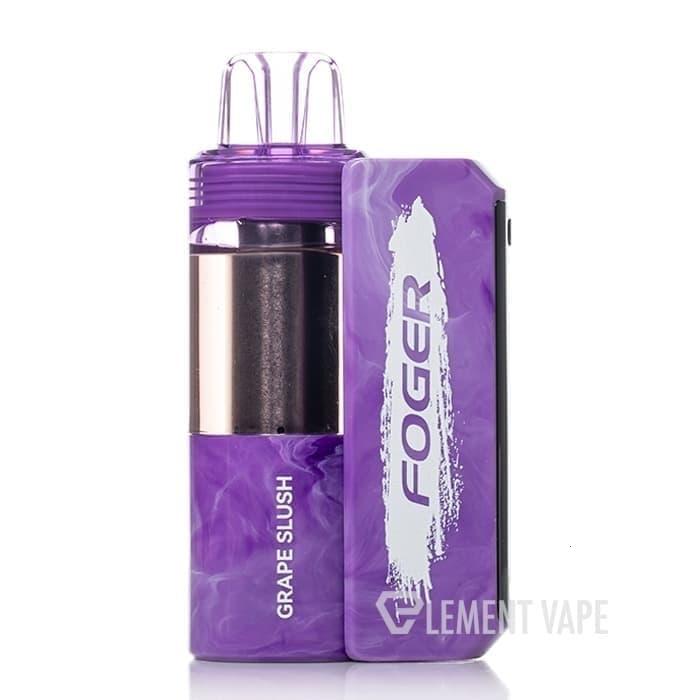
E-liquids fall under the standard liquid carry-on rules at most airports: containers of usually no more than 100 ml/3.4 oz stored in a single, transparent resealable bag. If you travel internationally, check the destination country’s customs limits and whether nicotine liquids are regulated or restricted. In some countries, nicotine e-liquids are banned or require import permits; travelers have faced confiscation at border control if local laws prohibit possession. Consider carrying smaller travel-sized bottles and sealed manufacturer packaging to ease screening and customs inspections.
Security screening: how to present your vaping kit
At the security checkpoint, present your items clearly: place your Vape, spare batteries in their protective case, and e-liquid bag in an accessible part of your carry-on for quick inspection. Remove devices from larger items like travel organizers if requested—transparent containers speed up screening. Be prepared to power on your device if security personnel want it verified; bring a charged battery or charged device so you can demonstrate it functions as an electronic device rather than a weapon or other prohibited item. Some airports have specific signage or additional screening for electronic nicotine devices, so follow instructions from security staff to minimize delays.
On-board rules and etiquette
On almost all commercial flights, using a Vape or any electronic cigarette is strictly prohibited. Aircraft smoking bans typically include e-cigarettes and can result in fines or more severe penalties if passengers attempt to use them while airborne or in airport terminals where local laws forbid vaping. Use designated smoking areas in some airports where available, but check airport maps and signage. Carry nicotine gum or lozenges if you need short-term relief during long flights, and plan for cravings with a pre-flight strategy.
International travel: country-specific restrictions and customs
International travelers should research both departure and arrival country regulations. Some countries classify nicotine-containing liquids as controlled substances, while others permit sales but restrict import quantities. Examples include stricter rules in parts of Southeast Asia and outright bans in countries where nicotine vaping is illegal. Even where possession is allowed, local airline partners might apply different in-flight and carriage rules. Before flying, check government websites and your airline’s policy pages for the most current guidance. Consider contacting embassies or consulates for authoritative clarification if you plan to bring large quantities of e-liquid or high-powered batteries.
Examples to watch
- United States: TSA permits e-cigarettes in carry-on baggage but not in checked luggage; follow TSA liquid rules for e-juice.
- European Union: EASA guidance and national rules vary; liquids follow the carry-on standard limits; some countries have local restrictions.
- Middle East and parts of Asia: Many carriers and airports ban carrying or using e-cigarettes—verify before travel.
Packing strategies to avoid leaks and accidental activation
Protect devices against accidental activation during transport by emptying tanks or removing pods, especially for devices prone to auto-firing. Keep tanks upright and use leak-proof containers or sealed bags. If you prefer to keep devices assembled, turn them off and secure any external firing buttons with tape. Store devices in a padded case and separate them from chargers or metal objects. For spare pods or cartridges, keep individual packaging until use to reduce the risk of contamination or leaks during inspection.
Handling inspections, confiscations, and disputes
If an item is confiscated, remain calm and politely request documentation. Different authorities have varying processes for confiscation—some will dispose of items on the spot; others may allow collection later. If you believe a confiscation was in error, ask for the regulation citation or contact details of the authority involved. For cross-border disputes, keep receipts and manufacturer documentation to demonstrate authenticity and compliance. Avoid confrontations with security staff; escalate through formal complaint channels after your flight if necessary.
Accessibility and medical exemptions
Some travelers use medically prescribed nicotine devices or alternatives. If you rely on a nicotine device as part of a cessation plan, carry supporting medical documentation such as a doctor’s note or prescription, and verify airline or country-specific allowances ahead of time. Medical documentation does not automatically override battery and cabin carriage rules, but it can help during customs inspections or if special handling is requested.
Good-practice summary and travel-ready checklist
Before you leave for the airport, complete this short checklist: power down all Vape devices; place spare batteries in protective sleeves; pack all e-liquids in containers that meet the airport liquid limit and in a clear resealable bag; carry devices and batteries in your carry-on only; know the airline and destination country rules; and prepare a small kit with extra pods, a cleaning cloth, and a charger for transit use between connections where permitted on the ground. Keep receipts and original packaging where possible to assist inspections, and always be prepared to comply with local laws.
On-the-ground alternatives to vaping
- Use nicotine gum or lozenges for temporary relief.
- Consider nicotine patches for longer flights.
- Spend time in airport lounges or designated areas where permitted to minimize temptation to use devices in restricted spaces.
Technical maintenance and device safety during travel
Keep your device clean and dry—moisture can accelerate corrosion and cause short circuits. If you travel to humid or rainy destinations, use silica packets in your case. Avoid leaving batteries in high‑temperature areas; aircraft cargo holds can have temperature variations and pressure changes that could affect devices left in checked baggage, which is why carry-on carriage is critical. If a battery becomes hot, swollen, or shows other signs of damage, do not transport it; contact local waste or hazardous material services for safe disposal.
How to explain vaping items to non-expert security officers
If security or customs officers appear unfamiliar with e-cigarettes, describe your items simply: name the device type (pod system, disposable, box mod), indicate that batteries are lithium and are packaged in a protective case, and show e-liquid containers are within carry-on approved liquid sizes. Use clear, concise language and offer to demonstrate the device’s harmless appearance by powering it on if requested. Carrying manufacturer labels and receipts can help clarify product legitimacy and intended use.
Legal risks and penalties for non-compliance
Know that ignoring airport or airline rules can lead to confiscation, fines, or even arrest in jurisdictions that strictly prohibit e-cigarettes. Airlines may refuse boarding if you attempt to bring prohibited items, especially if battery limits are exceeded or items are poorly packed. Respect signage and crew instructions—using a Vape on board or in unauthorized airport areas is frequently treated similarly to smoking and can carry severe penalties.
Final notes for stress-free travel
Good preparation makes all the difference. Confirm rules with your airline before you fly, keep essentials accessible in your carry-on, and pack spares properly. Planning reduces the chance of confiscation, delays, or safety incidents. Whether you’re a casual user or a hobbyist with advanced devices and extra batteries, following these protocols will help your journey go smoothly and let you focus on the destination rather than on avoidable airport hassles.
Frequently asked questions
Q: Can I pack spare Vape batteries in checked luggage?
A: No. Spare lithium batteries should remain in your carry-on bag in protective cases to prevent short circuits and allow crew response if any issue arises.
Q: How much e-liquid can I bring through security?
A: Most airports follow the 100 ml/3.4 oz container rule for carry-ons. Keep bottles sealed in a transparent resealable bag and declare if required by local customs rules.
Q: Are electronic cigarettes allowed on all international flights?
A: Policies vary; many airlines permit carriage of devices in the cabin but prohibit use onboard. Some countries ban possession entirely. Check airline and destination country regulations before you travel.