
E-Sigara Practical Compliance Roadmap for Importing to South Korea in 2025
This comprehensive guide is designed for global sellers, distributors and logistics teams who seek clear, actionable steps for navigating south korea e-cigarette import regulations in 2025. It explains regulatory scope, customs clearance tactics, technical documentation, product labeling and risk mitigation strategies so that brands such as E-Sigara and other manufacturers can plan shipments, avoid penalties and maintain market access. The focus here is practical: what to prepare before shipping, what to expect at Korean ports of entry, and how to respond when authorities request additional information.
Summary of the regulatory landscape
South Korea has continued to refine its approach to electronic nicotine delivery systems (ENDS) and related devices. In 2025 the rules emphasize consumer safety, accurate ingredient disclosure and tax compliance. Importers must pay attention to three core pillars: product authorization and registration, customs classification and taxation, and health & safety labeling requirements. Each pillar affects logistics, cost and time-to-market.
Key requirements at a glance
- Registration and approval: Some product categories require pre-market notification or registration with Korean authorities and evidence of laboratory testing—especially for nicotine-containing e-liquids and nicotine salts.
- Customs classification: Use the correct HS code and a detailed commercial invoice with ingredient breakdown to avoid misclassification or seizure.
- Labeling and packaging: Korean language warnings, ingredient lists, nicotine concentration disclosure and child-resistant packaging may be mandatory.
- Taxes and duties: Calculate excise duties and import VAT in advance and submit accurate value declarations.
- Banned additives: Certain flavoring agents and additives are restricted; ensure your formulations comply with updated chemical lists.
Understanding product scope: what counts as an e-cigarette?
Regulators broadly define electronic nicotine delivery products to include devices, cartridges, pods, prefilled e-liquids and accessories sold for inhalation. Even non-nicotine devices that mimic cigarette functionality can attract scrutiny under product safety laws. Importers should map each SKU to regulatory pathways: device-only, e-liquid-only, and combined device-plus-media kits often have different submission and labeling obligations.
Step-by-step import process
- Pre-shipment compliance audit: Conduct an internal review of formulations, device materials and packaging claims. Confirm that nicotine ppm or mg/ml is within allowable limits and that no banned substances are used.
- Documentation package: Prepare technical dossiers including safety data sheets (SDS), Certificates of Analysis (COA), device specifications, manufacturing facility info and a product safety report. Include translated Korean labels or mockups.
- Customs classification and tariff coding: Assign the most accurate HS code and include it on the commercial invoice. Misclassification is a leading cause of delays and additional assessment by customs.
- Entry filing:
 File electronic entry with Korea Customs Service (KCS) through an authorized customs broker. For some regulated categories, pre-clearance or a regulatory permit must be attached.
 - Inspection and testing: Be ready for document review and physical testing. Random sampling and lab analysis may verify nicotine content and the presence of prohibited additives.
- Payment of duties and taxes: Complete payment of import duties, excise taxes and VAT to secure release. Keep receipts and payment proofs accessible.
- Post-release monitoring: Maintain lot tracking and complaint handling processes to respond to market surveillance quickly.
Documentation checklist for smoother customs clearance
At minimum, prepare the following: commercial invoice with detailed product descriptions and ingredient breakdown, packing list, bill of lading or airway bill, manufacturer’s declaration, COA for e-liquids showing nicotine ppm, SDS for major components, lab test reports for contaminants and heavy metals, certificate of origin (if applicable for preferential tariffs) and translations of the Korean text displayed on packaging. A complete file reduces the risk of detention and additional analysis.
Labeling and consumer information
Proper labeling is a critical compliance element. Labels must include health warnings in Korean, nicotine strength, a list of ingredients, batch or lot number, manufacturer and importer contact information, and safe usage or storage instructions. Packaging may require child-resistant features and tamper evidence. Electronic devices that emit aerosols must not make unverified therapeutic claims. Ensure that promotional materials and inserts are consistent with on-pack statements to avoid misleading claims.
Common tariff headings and HS coding tips
Customs classification often depends on whether the shipment is a device or a liquid. Typical HS headings for electronic nicotine devices and components can vary; engage a specialist customs broker to determine the most defendable code. When in doubt, provide exhaustive product descriptions, including materials of construction, battery chemistry, intended use, and whether the product is rechargeable, disposable, or a refill. Err on the side of transparency: concise, detailed data reduces risk.
Testing expectations and accredited labs
Korean customs or health authorities may request third-party laboratory confirmation for nicotine concentration, contaminants (e.g., heavy metals, diacetyl), and emissions testing for heated devices. Use ISO/IEC 17025 accredited labs and ensure that test methods are clearly described. When submitting reports include chain-of-custody and sample origin details. Maintain harmonized test data to support cross-border shipments and audits.
Taxes, excise duties and price adjustments
Recent updates in South Korea impose excise-like levies on nicotine-containing products. Importers should model cost scenarios including potential excise per unit, VAT, and customs duties to set retail pricing and maintain margins. Pay attention to customs valuation rules: declared value must reflect transaction value and include royalties or commissions when applicable. Under-declared values can trigger penalties and further audits.
Label translation and localization
Localization matters. A Korean-language label, instruction leaflet and customer service contact create compliance goodwill and reduce consumer complaints. Translate safety warnings accurately and avoid ambiguous phrasing. For E-Sigara and other brands, ensure the brand name usage complies with trademark rules and does not suggest medicinal benefits.
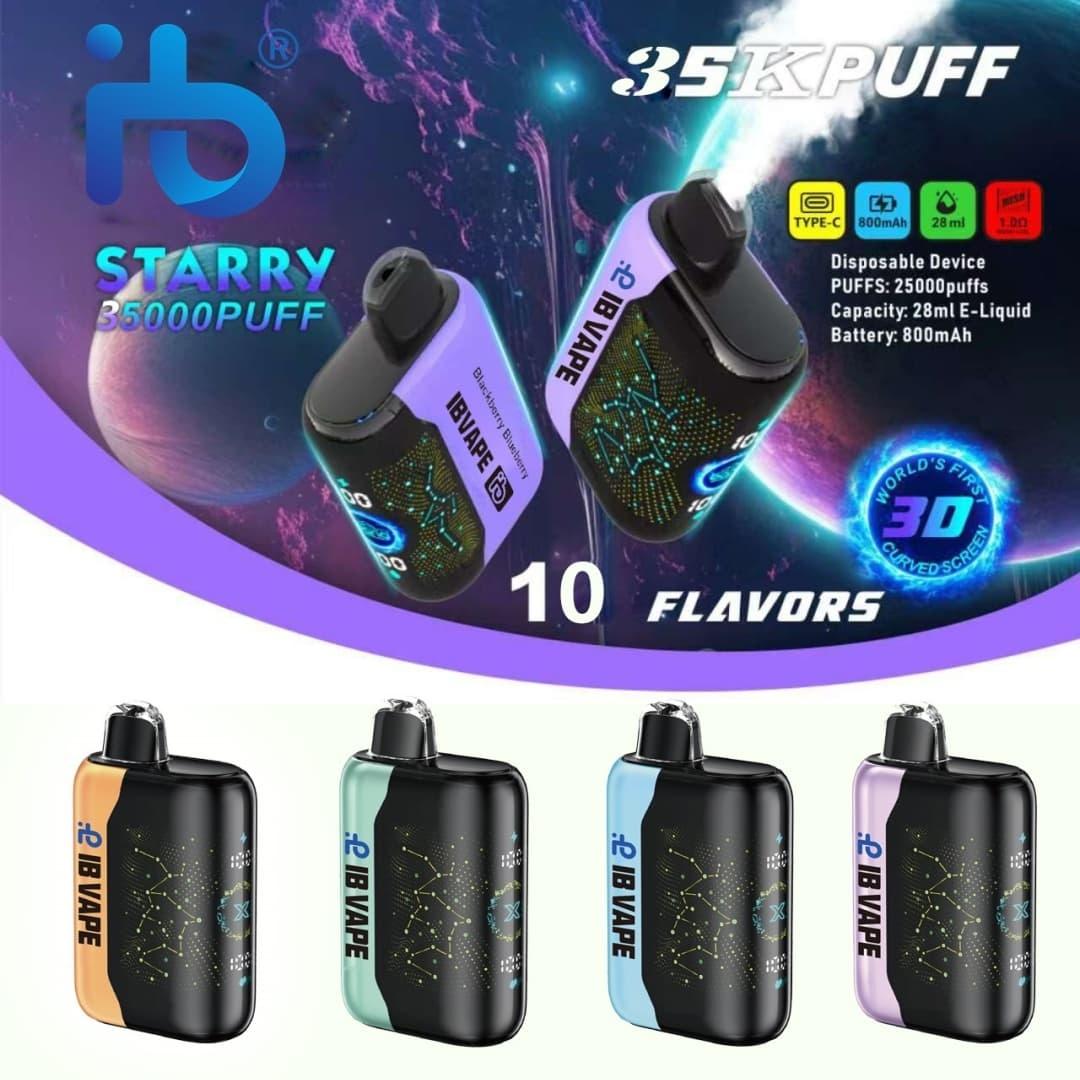 E-Sigara 2025 Compliance Guide to south korea e-cigarette import regulations and Customs Tips for Importers” />
Packaging, shipping and logistics tips
- Use reliable freight forwarders with ENDS experience in Korea and established customs brokerage relationships.
- Plan for extra lead time if products are newly introduced or contain new formulations—regulatory review can take weeks.
- Consider consolidating documentation per shipment to reduce repeated manual reviews.
- Implement batch-level serialization to ease recalls and improve traceability.
Responding to customs holds and audits
If customs holds a shipment, provide a swift, organized response: submit the requested lab reports, invoices showing full ingredient disclosure and a supplier declaration about manufacturing processes. Offer access to product samples and facilitate testing by accredited local labs if required. Avoid confrontational communications; instead, demonstrate cooperation and a corrective plan if issues are identified.
Common pitfalls and how to avoid them
Typical mistakes include incomplete ingredient lists, inaccurate HS codes, missing Korean labels, and incomplete payment of taxes. To reduce risk: run a pre-shipment compliance checklist, update import teams on legal changes, engage accredited testing labs and use a trusted customs broker. Keeping an up-to-date regulatory watchlist for south korea e-cigarette import regulations ensures you anticipate changes rather than reacting to enforcement.
Enforcement trends and penalties
Authorities increasingly emphasize product safety and truthful labeling. Penalties can include fines, product seizure, recall orders and temporary or permanent import bans for repeat offenders. Administrative sanctions may be accompanied by mandatory corrective actions or public notices. Stay proactive: audit supply chains regularly and maintain thorough documentation to demonstrate due diligence.
Recommendations for distributors and retailers
Retail partners should verify that incoming SKUs include Korean-language labels and accurate ingredient disclosures. Train front-line staff to recognize authentic packaging and report suspicious products. Establish a recall protocol and rapid-response communication plan with your importer or brand headquarters to manage potential consumer safety incidents.
Risk management and insurance
Insure shipments to cover transport loss and consider product liability coverage tailored for consumer health products. Insurers often require evidence of quality control, test reports and recall procedures. Maintain an internal crisis playbook to reduce downtime and reputational damage if an issue emerges in the Korean market.
Working with regulatory consultants and counsel
Regulatory landscapes evolve. A Korea-based regulatory consultant or legal counsel can support product classification, labeling reviews and communications with authorities. Invest in periodic compliance audits and ensure contracts with manufacturers include clauses for regulatory compliance and indemnities where appropriate.
Practical checklist before each shipment
| Task | Why it matters |
|---|---|
| Ingredient declaration | Reduces inspection triggers and supports lab testing |
| Korean label mockup | Prevents relabeling delays at port |
| ISO/IEC 17025 lab reports | Facilitates faster clearance |
| Correct HS code | Proper duties and smoother customs process |
| Child-resistant packaging | Regulatory compliance and consumer safety |


Case study: hypothetical import scenario for E-Sigara
Imagine a mid-size brand planning to import 10,000 prefilled pods. They complete COAs showing nicotine concentration at permissible levels, prepare Korean labels and engage an accredited test lab for emissions testing. Their customs broker assigns the appropriate HS code, and they prepay estimated excise and VAT to secure a release commitment. Upon arrival a random inspection requires additional laboratory verification; the submitted ISO/IEC 17025 report matched declared values and the shipment was cleared within ten business days. The brand avoided penalties by maintaining transparent documentation and rapid cooperation with customs.
Tips from customs brokers
Always include both the English and Korean ingredient lists on invoices to reduce back-and-forth. If possible, pre-file technical dossiers electronically with the relevant authority and keep an electronic archive accessible to customs officers.
How to stay updated on regulatory changes
Subscribe to Korea Ministry of Food and Drug Safety (MFDS) bulletins, Korea Customs Service notices and industry association updates. Participate in trade association working groups focusing on ENDS policy, and maintain regular contact with your Korean regulatory consultant. Changes can be rapid, so proactive monitoring helps mitigate surprise enforcement actions.
SEO-focused content pointers for brands
When publishing compliance content for markets, emphasize authoritative signals: cite official agencies, include detailed procedural content, and maintain fresh updates. Use targeted phrases such as E-Sigara and south korea e-cigarette import regulations naturally across H-tags and meta descriptions to improve discoverability. Provide downloadable checklists and translated label templates to add practical value that search engines and users favor.
Conclusion and next steps
Importing ENDS products into South Korea in 2025 involves coordinated attention to technical dossiers, accurate customs declarations and consumer-facing labeling. For brands such as E-Sigara, the best outcomes come from early regulatory engagement, testing with accredited labs and partnering with experienced customs brokers. Prioritize traceability, transparent documentation and proactive communication with Korean authorities to reduce clearance times and safeguard market access.
Frequently Asked Questions
Q1: Do I need pre-market approval for all e-liquids?
A1: Not always; requirements depend on formulation, nicotine content and product claims. Nicotine-containing e-liquids are more likely to require notification or registration and lab evidence. Work with a local consultant to confirm per-SKU requirements under south korea e-cigarette import regulations.
Q2: What common laboratory tests are requested at customs?
A2: Expect nicotine concentration verification, contaminants screening (heavy metals, residual solvents), and additive analysis for banned flavoring agents. Use ISO/IEC 17025-accredited labs for credibility.
Q3: How can E-Sigara minimize clearance delays?
A3: Prepare complete documentation, label translations, accurate HS codes and prepay applicable taxes; partner with a customs broker experienced in ENDS imports and ensure rapid response capacity for information requests.