
Understanding the latest findings about e-cigarettes and indirect exposure
Recent peer-reviewed studies and systematic reviews have begun to pull into focus how aerosol from vaping affects bystanders, shedding new light on the environmental and public health consequences of e-cigarettes. Researchers investigating secondhand exposure have measured chemicals, particle sizes, and short-term physiological responses in non-users who share indoor environments with vapers. These analyses importantly extend beyond nicotine to consider volatile organic compounds (VOCs), carbonyls, ultrafine particles, and other constituents that can travel in ambient air and deposit on surfaces as thirdhand residues. The emerging body of evidence suggests that secondhand smoke from e cigarettes—a phrase used by some investigators to describe the aerosol exhaled by users—cannot be assumed to be harmless simply because the source is not combusted tobacco.
What the new research measured and why it matters
Modern exposure studies employ portable particle counters, real-time aerosol monitors, and targeted chemical assays to quantify what non-users inhale when they are nearby. Findings show spikes in ultrafine particles (UFPs), measurable levels of propylene glycol and vegetable glycerin byproducts, acrolein, formaldehyde-like compounds, certain metals, and nicotine itself. The presence of these constituents has been associated with transient airway irritation, changes in endothelial function, and biomarker detection in non-smoking adults and children after short exposure periods. From a public health perspective, these indicators are significant because they point to both physiological effects and the capacity for inhaled or surface-deposited chemicals to contribute to cumulative exposure over time. In short, the conversation about e-cigarettes is shifting from a user-centered harm-reduction lens to a broader environmental health lens that incorporates secondhand smoke from e cigarettes as a potential contributor to indoor air pollution.
Key chemicals and particles identified
- Ultrafine particles (UFPs): Detected at elevated levels during active vaping sessions; these particles can penetrate deep into the lungs and enter the bloodstream.
- Nicotine: Measurable in room air and in non-user saliva or urine following exposure, indicating involuntary intake.
- Carbonyls: Compounds such as formaldehyde and acetaldehyde can form under certain device temperatures and have known respiratory toxicity.
- Volatile organic compounds (VOCs): Compounds like benzene and toluene have been observed in some settings depending on e-liquid composition and device characteristics.
- Metals: Trace amounts of metals—nickel, chromium, lead—have been reported, presumably originating from heating coils or device components.
The actual composition of exhaled aerosol is highly variable and depends on device power, coil temperature, e-liquid chemistry, added flavoring agents, and user puffing behavior. That variability complicates clear-cut safety statements about indoor vaping and secondhand smoke from e cigarettes.
Who is most at risk from secondhand aerosol?
Vulnerable populations include infants, young children, pregnant people, older adults, and people with pre-existing respiratory or cardiovascular disease. Children are especially susceptible because of higher ventilation rates per kilogram of body weight, developing lungs, and behaviors that increase contact with contaminated surfaces. Pregnant persons exposed to nicotine-containing aerosol may pass nicotine derivatives to the fetus, which raises concerns about developmental impacts. Additionally, workers in hospitality, retail, and multiunit housing may experience repeated exposures, increasing the potential for chronic effects even if each exposure is transient.
Implications for indoor air policies
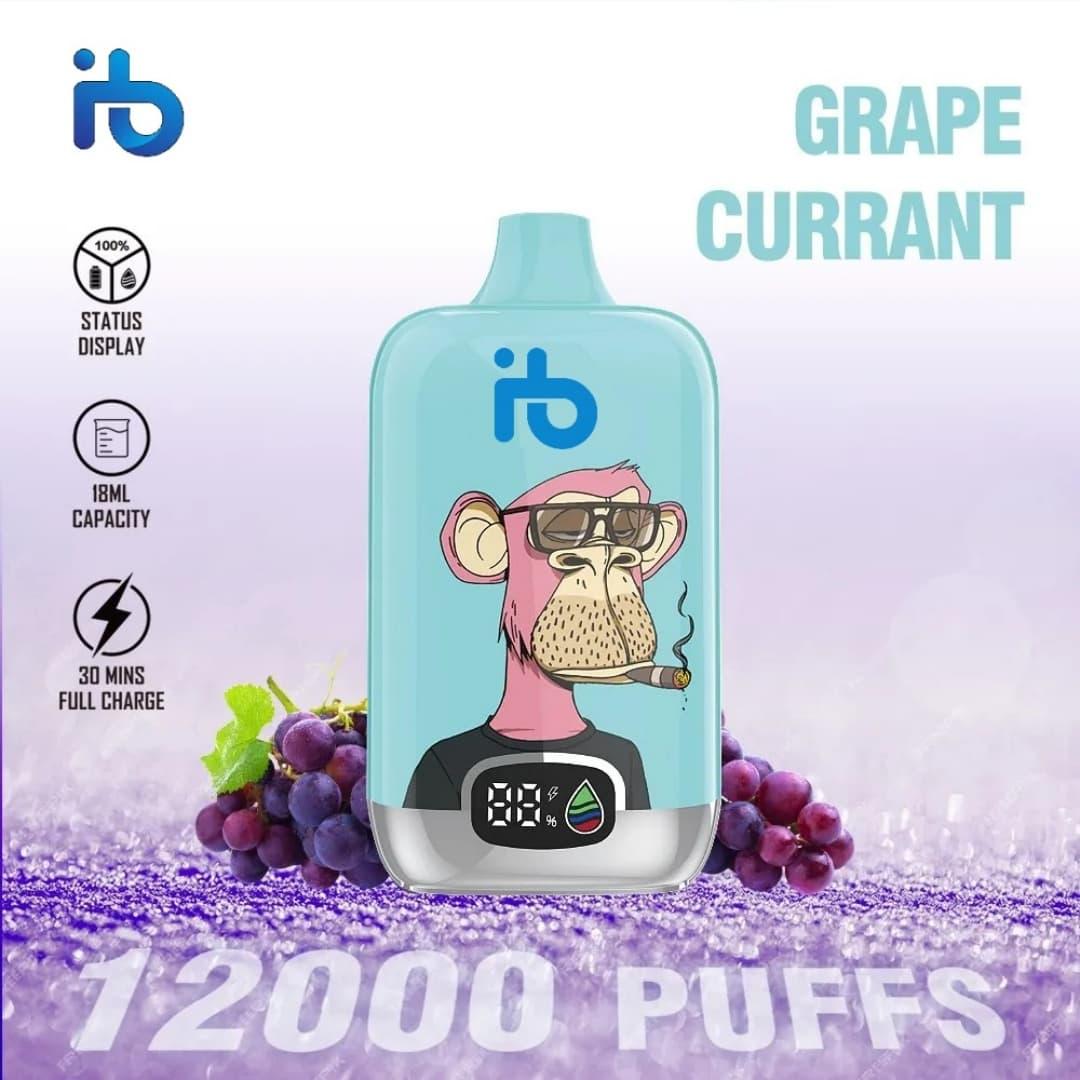
Given the evidence that aerosolized constituents can affect bystanders, many public health experts recommend that existing smoke-free indoor air policies be updated to explicitly include e-cigarettes. Such policy updates serve multiple goals: they protect non-users from involuntary exposure, simplify enforcement by harmonizing tobacco and vaping rules, and reduce the normalization and visibility of nicotine use. Smoke-free policies that include vaping often result in fewer indoor exposures and clearer public messaging about where consumption is allowed. For multiunit housing, comprehensive rules may reduce thirdhand contamination—residues that deposit on walls, carpets, and shared ventilation systems.
Communicating risk without overstating the case
Balanced public health messaging emphasizes uncertainty where it exists while highlighting what is known. It is accurate to say that e-cigarettes reduce exposure to many combustion products found in tobacco smoke for users who switch completely from cigarettes; however, for non-users the situation is different. Secondhand smoke from e cigarettes still introduces chemicals and particles into indoor environments, and the long-term impact of repeated passive exposures remains incompletely characterized. Public health communicators should therefore avoid absolutes, instead focusing on precautionary principles: limit indoor vaping, protect vulnerable populations, and prioritize ventilation and smoke-free policies where evidence supports them.
Strategies for reducing involuntary exposure
- Prohibit indoor vaping in public places and workplaces, making rules consistent with smoking bans to reduce confusion.
- Implement building-level policies in apartments and condos to limit vaping in common areas and private units when possible.
- Encourage designated outdoor consumption areas that are sufficiently distant from entrances, playgrounds, and windows to avoid drift.
- Improve ventilation and air filtration where feasible, although engineering controls alone cannot fully mitigate exposures to all aerosol constituents.
- Prioritize cessation support and education for users, emphasizing proven methods for nicotine dependence treatment.
These steps, individually and collectively, reduce bystander exposures to aerosolized compounds and demonstrate a precautionary approach favored by many public health agencies.
Regulatory and research directions
To strengthen evidence-based policymaking, experts call for:
- Standardized methodologies for measuring emissions from e-cigarettes and exposures to non-users, enabling comparison across studies and devices.
- Longitudinal epidemiological studies tracking health outcomes in populations with varying exposure levels to secondhand smoke from e cigarettes.
- Surveillance systems that capture vaping prevalence, locations of use, and enforcement challenges in public and private settings.
- Toxicological work to understand low-dose, repeated exposure effects, particularly on developing organ systems.
- Regulations that limit harmful additives in e-liquids, set device performance standards, and require transparent product reporting to help consumers and regulators assess risk.

Practical takeaways for clinicians, employers, and parents
Clinicians should ask about home and workplace exposures when assessing respiratory symptoms and counsel patients on avoiding secondhand aerosol, particularly for children and pregnant patients. Employers can adopt clear policies that prohibit vaping on premises and ensure staff are trained to enforce them respectfully. Parents and caregivers should treat vaping similarly to smoking when managing children’s exposure—avoiding indoor vaping, keeping vaping devices and e-liquids out of reach, and talking honestly with adolescents about health risks.
In regulatory settings, policymakers should weigh the relative harms and benefits: while adult cessation potential is an important consideration, protecting non-users from involuntary exposure is a parallel public health obligation. Emphasizing both perspectives can produce balanced, evidence-based controls that minimize population-level harm.
Common questions public audiences ask
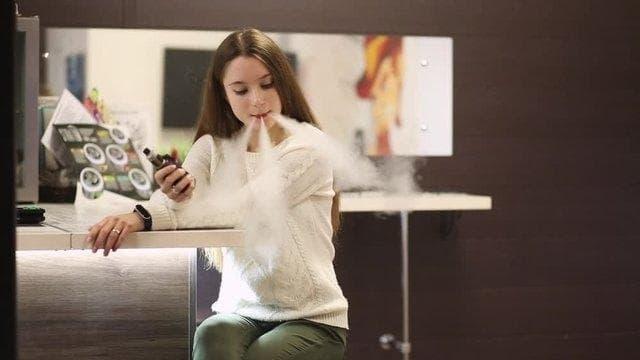
People frequently wonder how secondhand aerosol compares to cigarette smoke. The short answer is that they are different in composition, but both introduce foreign chemicals and particulates into indoor air. Cigarette smoke contains many combustion products in higher concentrations, but exhaled aerosol is not just harmless water vapor; it carries nicotine, flavoring chemicals, and ultrafine particles that matter for short- and potentially long-term health.
Research limitations and what to watch next
Important limitations in current science include heterogeneous study designs, variable device types, and short follow-up durations. As research matures, we expect improved exposure assessment tools, larger cohort studies, and a clearer understanding of dose-response relationships for passive vaping exposures. Policymakers should stay current with updates and apply precaution where evidence of harm to vulnerable groups begins to accumulate.
Conclusions: prudent policies and continued study
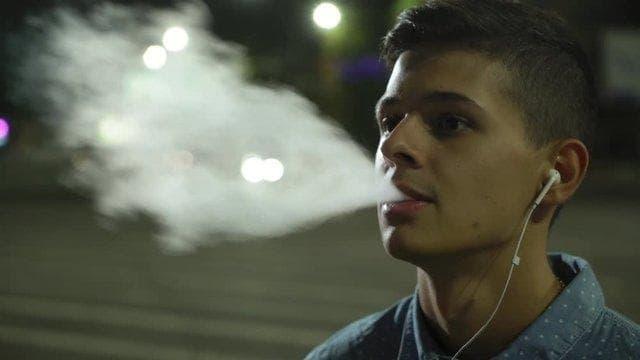
New research raises credible concerns about the environmental impacts of e-cigarettes beyond individual users. The evidence that secondhand smoke from e cigarettes can lead to meaningful inhalation of nicotine and other chemicals supports expanding indoor air protections and clarifying public guidance. While vaping may play a role in tobacco harm reduction for certain adult smokers, protecting non-users—especially children, pregnant people, and workers—remains an essential public health priority. Continued research, standardized testing, and well-crafted smoke-free policies together offer the best path to minimize involuntary exposures and safeguard community health.
How to act now
Individuals: avoid enclosed spaces where vaping occurs and keep e-cigarette devices and liquids locked away from children. Institutions: revise smoke-free policies to explicitly include vaping and invest in staff training on respectful enforcement. Regulators: prioritize product standards and surveillance, fund longitudinal research, and adopt precautionary rules when evidence indicates potential population-level harm. Media and communicators: present nuanced messages that differentiate between individual harm reduction potential and population-level exposure risks, avoiding misleading simplifications.
FAQ
Q: Is passive exposure to vaping aerosol dangerous?
A: Current research shows that bystanders can inhale nicotine and other chemicals from exhaled aerosol, and short-term physiological changes have been documented; long-term risks are not fully defined, so precaution is recommended.
Q: Are aerosol particles from vaping the same as cigarette smoke particles?
A: No—composition and typical concentrations differ, but both contain ultrafine particles capable of reaching deep lung tissue; the absence of combustion in vaping reduces some harmful constituents but does not eliminate risk to bystanders.
Q: What policies best protect non-users?
A: Extending existing smoke-free laws to include vaping, restricting vaping in multiunit housing common spaces, and enforcing designated outdoor consumption areas are effective strategies.