
Understanding what IBVAPE users should know about neurological research
This comprehensive resource is intended for consumers, clinicians, and curious readers who want balanced information about IBVAPE and the latest studies exploring the effects of e cigarettes on the brain. The goal here is to summarize current scientific findings, explain mechanisms, evaluate risks and uncertainties, and offer practical guidance for people who use vaping products. Throughout the text you will find clear sections, evidence summaries, and actionable tips that emphasize safety, harm reduction, and the need for ongoing research.
Key concepts: nicotine, neurodevelopment, and neurochemistry
Nicotine is the primary psychoactive compound in many e-liquids, and its actions on the central nervous system are central to understanding potential harms. Nicotine binds to nicotinic acetylcholine receptors (nAChRs) and can alter neurotransmitter release, reward circuitry, and synaptic plasticity. Young people, whose brains are still developing through adolescence and into the mid-20s, are particularly vulnerable to neurochemical changes. Research relevant to IBVAPE products often centers on these mechanisms because the pattern of exposure matters: dose, duration, frequency, and age at first use all influence outcomes.
How nicotine influences the brain
The acute effects of nicotine include increased alertness, mood modulation, and enhanced attention for some users; these short-term changes are mediated by dopamine, norepinephrine, and other neurotransmitters. Chronic exposure, however, can lead to receptor upregulation, dependence, and alterations in reward pathways. Animal models demonstrate that early nicotine exposure can impair learning, memory, and attention later in life; while human longitudinal studies suggest associations between adolescent nicotine use and cognitive/behavioral outcomes. When evaluating claims about effects of e cigarettes on the brain, it’s important to distinguish short-term subjective effects from long-term structural or functional changes.
The evidence base: types of studies and what they show
Scientists use several complementary methodologies to study how vaping affects the brain: epidemiological cohorts, cross-sectional surveys, functional and structural neuroimaging (fMRI, PET), animal experiments, in vitro cellular studies, and clinical trials. Each has strengths and limitations. For example, cohort studies that follow teens over time provide insight into temporal relationships but can be confounded by other substance use or socioeconomic factors. Neuroimaging can show differences in brain activity patterns associated with nicotine use, and animal models can reveal causal mechanisms. Data specific to products labeled IBVAPE are limited, so much discussion involves extrapolating from general e-cigarette research and nicotine literature.
Major findings summarized
- Adolescent exposure to nicotine is consistently linked with increased risk of dependence and may be associated with changes in attention and working memory in some studies.
- In adults, controlled trials show nicotine can transiently improve some cognitive tasks, but chronic use is associated with dependence and withdrawal cycles that undermine overall health.
- Neuroimaging studies indicate altered activity in reward circuitry among frequent nicotine users; whether these changes are reversible after cessation is still being actively researched.
- Flavoring chemicals and aerosol constituents (aldehydes, volatile organic compounds) present additional concerns; some compounds can induce oxidative stress or neuroinflammatory responses in preclinical models.
What remains uncertain
There are important gaps in the evidence, particularly regarding long-term consequences of intermittent vaping with low nicotine concentrations, the safety of specific flavoring agents on neural tissue, and interactions with mental health conditions. Most randomized controlled trials focus on cessation outcomes rather than neurodevelopmental endpoints, so definitive causal claims about many subtle cognitive outcomes remain premature. When assessing the literature on effects of e cigarettes on the brain, readers should weigh study design, sample size, follow-up duration, and control for confounders.
Product-specific considerations for IBVAPE users
Nicotine concentration and frequency: dose matters

Lower nicotine solutions are less likely to produce strong dependence, but frequent use of low-dose e-liquids can still lead to sustained exposure. For individuals trying to minimize neurological risk, gradual reduction strategies—often used in tobacco harm reduction—can help. Healthcare providers and users should monitor patterns of use, cravings, and any cognitive or mood changes that correlate with vaping sessions.
Special populations: youth, pregnant people, and those with mental health conditions
Adolescents: Brain maturation continues through early adulthood; nicotine exposure during this window can disrupt neural circuits involved in decision-making and impulse control. Prevention and education strategies remain priorities.
Pregnancy: Nicotine is a known developmental neurotoxin with potential effects on fetal brain development; pregnant people should avoid all nicotine-containing products unless a clinician recommends a specific cessation approach.
Mental health: Individuals with anxiety, depression, or ADHD may use nicotine for perceived symptomatic relief, but nicotine dependence can complicate treatment and may interact with psychotropic medications. Discuss vaping with a mental health professional before relying on it to self-medicate.
Imaging and cognitive testing: what they tell us
Functional MRI and PET studies of nicotine users have revealed differences in activation patterns during reward tasks and attention-demanding tasks. Some studies report decreased gray matter volume in specific regions among heavy users, though causality is complicated by co-existing factors such as alcohol, cannabis use, and lifestyle variables. Cognitive testing shows mixed results; acute nicotine can transiently enhance some measures of attention and working memory, but chronic use and withdrawal cycles may ultimately harm sustained cognitive performance. The phrase effects of e cigarettes on the brain is therefore nuanced: short-term subjective benefits exist, while potential long-term structural or functional costs remain a concern.
Chemical constituents beyond nicotine
Aside from nicotine, aerosols can contain propylene glycol, glycerol, flavoring agents, and trace thermal degradation products. Certain flavoring chemicals, when heated and inhaled, have produced neurotoxic effects in cell culture or animal models. The inhalation route also allows compounds to cross the blood-brain barrier indirectly through systemic inflammation or direct transport of ultrafine particles. Regulatory oversight varies by jurisdiction, so product composition and manufacturing practices can differ widely among brands—this increases the importance of choosing verified suppliers and avoiding homemade mixtures.
Practical tips for reducing potential neurological risk
- Know your nicotine: choose the lowest effective nicotine concentration if you are using vaping products to quit smoking.
- Avoid starting vaping if you are under 25 or pregnant due to ongoing brain and fetal development.
- Use manufacturer-recommended coils and batteries to avoid overheating liquids, which can generate harmful byproducts.
- Avoid flavor concentrates not intended for inhalation; use only products labeled for vaping and tested for contaminants.
- Monitor mood and cognitive changes; seek medical advice if you notice persistent memory problems, mood swings, or concentration difficulties.
Harm reduction and cessation support
For smokers who cannot quit by other means, switching to e-cigarettes has been associated with reduced exposure to certain toxicants compared to combustible cigarettes, but reduced exposure is not equivalent to no risk. Clinicians advising patients about IBVAPE or other e-cigarette use should emphasize evidence-based cessation strategies: counseling, behavioral support, and FDA-approved medications where appropriate. If vaping is used as a cessation aid, structured plans that aim for complete nicotine cessation over time are preferable to indefinite dual use of smoking and vaping.
Regulatory and research priorities
Policymakers and researchers are prioritizing studies that track long-term cognitive trajectories, isolate the role of flavorings and aerosol chemistry, and evaluate real-world patterns of use across diverse populations. Improved product labeling, standardized testing of e-liquids, and funding for longitudinal pediatric cohorts will help clarify the true public health impact. For brands such as IBVAPE, transparency around ingredients and manufacturing quality will support better risk assessments and consumer trust.
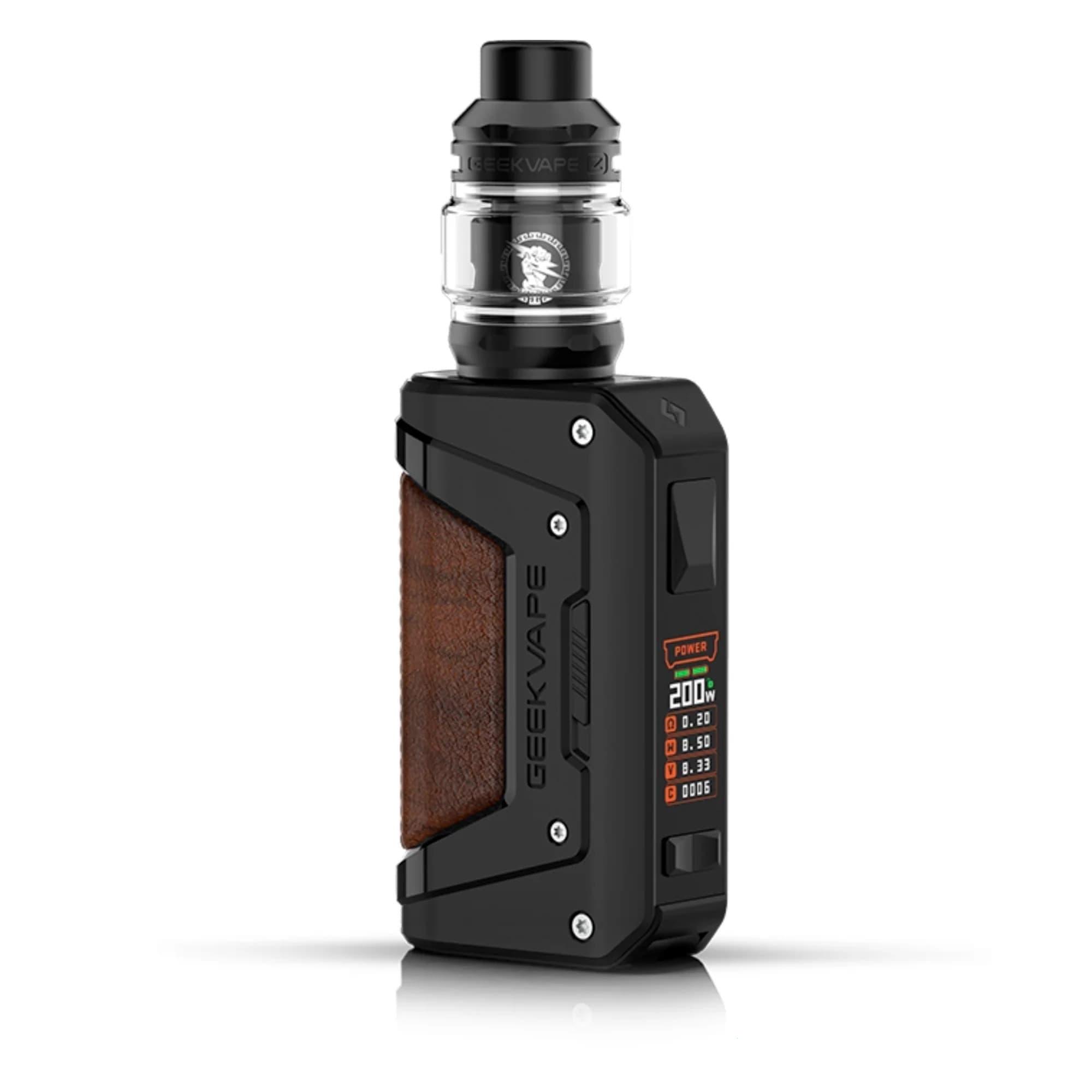
How to interpret headlines and emerging studies
Media coverage often simplifies complex findings into sensational headlines. When you read stories about the effects of e cigarettes on the brain, check the original study design, sample size, funding sources, and whether the research was performed on humans, animals, or cells. Beware of extrapolations from very high-dose animal studies to typical human use; conversely, small human studies may be underpowered to detect important effects. Balanced interpretation requires integrating multiple lines of evidence.
Actionable takeaway for users
The current science supports caution: avoid youth initiation, avoid vaping during pregnancy, choose lower nicotine options if attempting harm reduction, and consult healthcare providers for individualized advice. Continue to monitor reputable sources for new evidence. If you use IBVAPE products, prioritize certified supplies, follow device safety guidelines, and consider eventual cessation rather than indefinite nicotine dependence.
Research-backed checklist for safer use
- Verify the product batch and ingredients; prefer third-party testing.
- Store e-liquids securely and out of reach of children.
- Charge batteries with manufacturer-approved chargers to reduce fire risk.
- Report any adverse neurological symptoms (dizziness, persistent headaches, confusion) to a healthcare provider promptly.
- Consider behavioral supports or medical treatments if you want to quit nicotine entirely.
Conclusion
In summary, the relationship between vaping and brain health involves multiple variables: nicotine dose and timing, chemical constituents, user age, mental health, and patterns of use. The phrase effects of e cigarettes on the brain captures a broad research agenda rather than a single definitive outcome. For consumers of IBVAPE and other brands, informed decision-making, continued monitoring of research, and engagement with healthcare professionals are the best strategies to manage risk while pursuing smoking cessation or harm reduction goals.
FAQ
Q1: Can vaping permanently damage the brain?
 IBVAPE research on effects of e cigarettes on the brain and what IBVAPE users need to know” />
A1: Current evidence suggests that adolescent nicotine exposure may cause long-lasting changes in brain circuitry related to reward and cognitive control. In adults, long-term permanent damage from typical vaping patterns is less certain; more longitudinal human studies are needed. Avoiding nicotine during brain development is the safest approach.
Q2: Are flavorings in e-liquids harmful to the brain?
A2: Some flavoring compounds have shown neurotoxic or pro-inflammatory effects in cellular and animal models when inhaled at high doses. The risk to humans depends on exposure levels, specific chemicals, and individual susceptibility. Use products designed and tested for inhalation and follow regulatory guidance.
Q3: Does switching from smoking to vaping reduce brain-related risks?
A3: Switching from combustible cigarettes to vaping generally reduces exposure to many toxic combustion products, which is likely beneficial for overall health. However, nicotine exposure still carries risks for brain health, especially for young people and pregnant individuals. The best outcome is quitting nicotine entirely when possible.
For ongoing updates on research and best practices, follow public health agencies, peer-reviewed journals, and consult healthcare professionals about your specific situation and IBVAPE product choices.