In this comprehensive guide we explore practical user advice for sustainable handling of small electronic nicotine delivery systems, focusing on best practices for the popular IBVAPE E-Cigi device and clear instructions on how to recycle e cigarettes. Whether you are a long-time vaper or new to rechargeable disposable devices, the environmental footprint of e-cigarettes and their components is significant; this article helps you navigate safe disposal, battery handling, and local recycling options with a step-by-step approach designed for real-world use.
Why sustainability matters for vaping devices
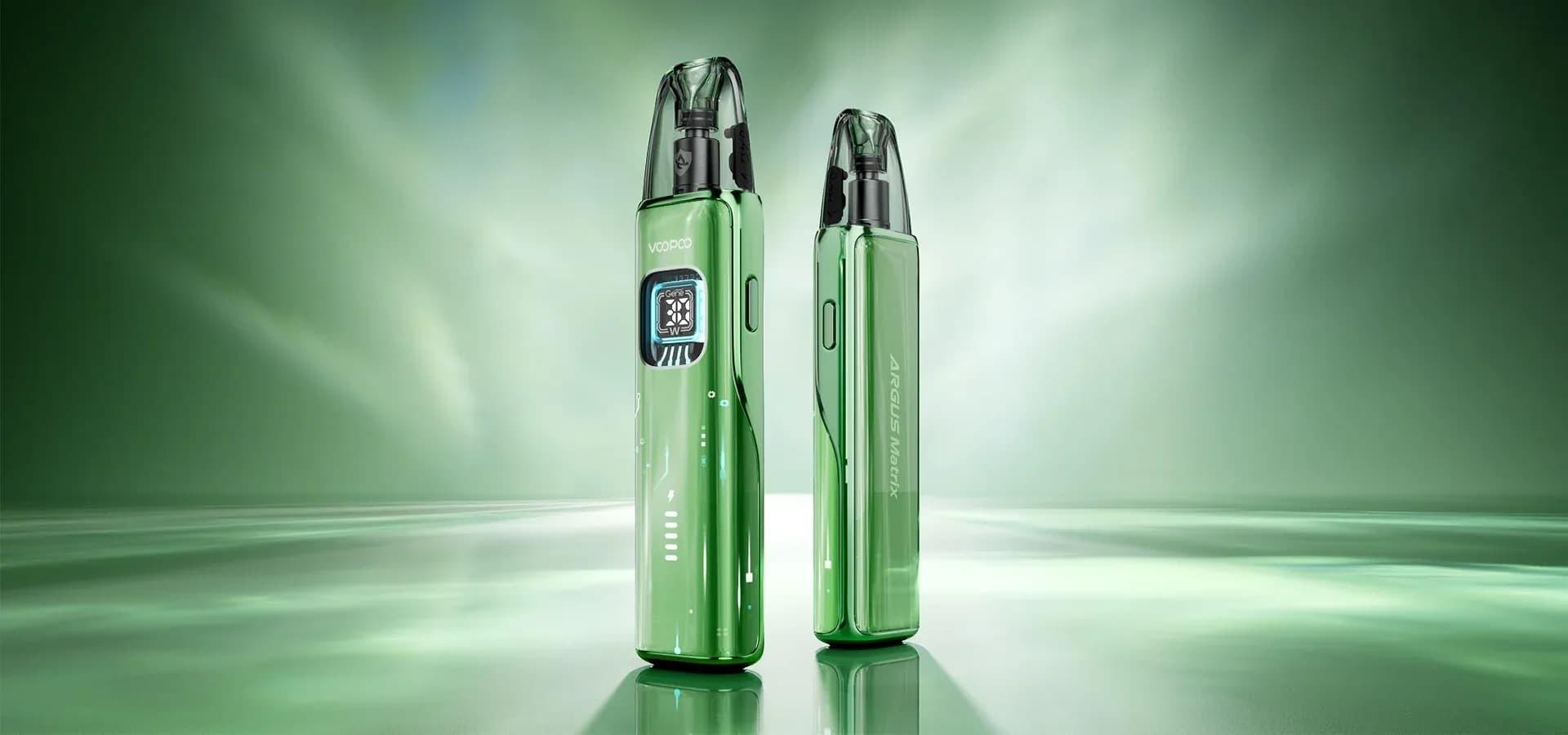
Vaping devices such as the IBVAPE E-Cigi combine electronic components, plastics, metals, and chemical residues. Improper disposal can lead to battery fires in waste streams, leakage of nicotine-containing liquids into soil and groundwater, and loss of recyclable materials. Understanding how to recycle e cigarettes reduces pollution, conserves resources, and ensures compliance with local hazardous waste rules. This section shows the environmental risks and the positive impact simple user choices can make.
Key environmental risks
- Lithium-ion cell hazards: when tossed in regular trash, damaged or punctured cells may short-circuit and ignite.
- Nicotine contamination: leftover e-liquid in tanks or pods can be toxic to wildlife and contaminate water if not drained and handled correctly.
- Mixed materials: plastics, metals, and electronics in one device complicate recycling unless components are separated.
Benefits of recycling and responsible disposal
Recycling recovers metals and plastics and prevents harmful waste from entering the environment. Responsible users of products like the IBVAPE E-Cigi can minimize landfill volume, reduce the demand for virgin materials, and reduce the risk of hazardous incidents at waste handling facilities by following straightforward disposal steps that we outline below.
Preparing your device: user-level safety steps before disposal
Before you think about bins and drop-offs, take these preparatory steps to make the process safe and efficient. These are practical user actions suitable for most flavors of disposable, rechargeable, and refillable devices.
Step 1 – Power down and isolate
Always ensure the device is completely powered down. For switch-activated devices, use the power-off sequence. For buttonless devices, remove or stop using the device several hours before you plan to handle it. If the device has a removable battery, follow the manufacturer’s instructions to remove it. If you cannot remove the battery, do not attempt to force it; instead use the recycling options for complete devices listed below.
Step 2 – Drain and clean residue
Nicotine-containing e-liquid can be harmful. If there is any remaining liquid in tanks, pods, or cartridges, safely empty the liquid into an absorbent material (paper towels or kitty litter) and use gloves. Place the absorbent material with the drained liquid into a sealed bag and dispose of it at a hazardous household waste facility if local rules require; otherwise consult your local guidelines. Never pour e-liquids down drains or onto the ground.
Step 3 – Tape or insulate battery terminals
Short-circuit prevention is essential. If the battery is accessible, cover the positive and negative terminals with non-conductive tape (electrical tape) to reduce the risk of accidental shorting during transport. This simple step often prevents fires during collection and shipment for recycling.
How to recycle e cigarettes: step-by-step collection and drop-off options
The journey from a used IBVAPE E-Cigi to a recycled component typically follows a few pathways: manufacturer take-back, retailer collection, municipal hazardous waste programs, or specialized e-waste recyclers. Below we detail each option and how to use it effectively.
 IBVAPE E-Cigi user tips and practical steps on how to recycle e cigarettes safely and sustainably” />
Manufacturer or brand take-back programs
Many reputable brands run stewardship or take-back programs. If your device is from a brand that offers returns, follow their packaging and shipping instructions. Often these programs will accept sealed, powered-down devices for safe recycling. If you purchased an IBVAPE E-Cigi device directly from a retailer, check the brand’s website or contact customer support to ask about take-back and mail-back programs.
Retail drop-off and buyback initiatives
Some vape shops and big-box retailers offer in-store collection boxes for used cartridges and batteries. When using these services, ensure your device is properly powered down and terminals are taped. Retail collections are convenient and often free; they funnel collected items to certified recyclers who can separate plastics, metals, and battery cells safely.
Municipal hazardous waste and e-waste centers
Local governments frequently operate hazardous waste collection events or permanent drop-off centers that accept batteries and small electronics. Search for “household hazardous waste” or “e-waste recycling” on your municipality’s website. Bring the device in accordance with the center’s instructions: taped terminals, contained liquids, and device labeled where possible. These centers often have clear guidelines and trained staff to handle rechargeable devices.
Certified e-waste recyclers
Selecting a certified recycler (R2, e-Stewards, or similar credentials where applicable) ensures that your IBVAPE E-Cigi or other vaping hardware is processed under strict environmental and worker-safety standards. Certified recyclers will disassemble devices, treat batteries and hazardous components appropriately, and recover valuable metals like copper, nickel, and lithium for reuse.
Special considerations for rechargeable vs disposable devices
Different device types require different handling. Distinguishing between rechargeable pods/mods, integrated battery disposables, and refillable devices helps you choose the safest recycling route.
Rechargeable devices (mods, vape pens)
For devices with removable or fixed rechargeable batteries, follow battery-specific disposal rules. Remove batteries when possible, tape terminals, and deliver them to battery recycling drop-offs. If batteries are embedded and cannot be removed without damage, send the entire device to an e-waste recycler or a designated take-back program that accepts intact electrified items.
Disposable e-cigarettes
Disposable units often contain an internal battery and e-liquid reservoirs. Because these are single-use and sealed, treat them as small e-waste items and never throw them in general waste. Many municipalities treat them as hazardous waste; consult local programs or retailer take-back options that accept sealed disposables.
Refillable pods and cartridges
Pods and refillable cartridges can often be recycled after draining. Rinse removable plastic components if local rules allow, otherwise package them for collection with absorbent material (as noted earlier) and deliver to a facility that accepts electronic accessories.
Practical packaging and shipment tips for mail-in recycling
If mailing used devices back to a manufacturer or recycler, secure packaging matters. Use a sturdy box, place devices in non-conductive packing material, tape battery terminals, and include any forms required by the recycler. Use tracked shipping and follow the recycler’s labeling rules. Never use compressed air or any destructive methods that might compromise battery integrity.
Packing checklist
- Power down device and remove batteries where possible.
- Tape terminals and place batteries in individual plastic bags.
- Drain e-liquid and place absorbent material around the device if residue remains.
- Use a box with internal padding to prevent movement and impact during transport.
- Add clear labeling if required by the recycler and retain shipment tracking.
Legal and regulatory reminders
Regulations for battery disposal and e-waste vary by country, state, and city. Some regions classify nicotine waste as hazardous; others have specific requirements for lithium batteries. Always verify local rules before discarding devices and consult official resources or recycling partners if in doubt. Using the phrase how to recycle e cigarettes in local searches will often surface municipal guidelines and certified drop-off locations in your area.
Maintenance and usage habits that reduce waste
Prevention is often the best environmental strategy. Extend device life and reduce waste by adopting these user habits:
- Use rechargeable models with replaceable coils or pods instead of sealed disposables where practical.
- Follow manufacturer charging rules to prolong battery life and reduce premature replacements.
- Maintain devices by cleaning contacts and changing coils/pods on recommended intervals to keep hardware functional longer.
Choosing lower-impact products
When shopping, consider the product lifecycle. Devices marketed with recyclable components, modular designs, or manufacturer take-back programs tend to have lower lifecycle impacts. Seek brands that publish environmental or stewardship policies and verify claims by checking for third-party recycling or certification programs.
Community action and advocacy
Collective action can make institutional recycling options more accessible. Consider organizing a local collection drive, working with vape retailers to set up a permanent collection point, or starting a petition for city-run disposal programs. These community-level steps increase recycling rates and keep hazardous items out of consumer waste streams.
Tips for organizing a collection drive
- Partner with local vape shops, environmental groups, or municipal waste agencies.
- Advertise collection events via social media, community boards, and in-store posters.
- Ensure proper handling volunteers understand terminal-taping and spill containment procedures.
How to choose a recycling partner
Not all recyclers handle nicotine liquids or batteries the same way. When evaluating options, look for transparency about processes, certifications like R2 or e-Stewards, and clear acceptance criteria for small electronics and batteries. Ask whether materials are recovered domestically or exported and prefer partners who commit to safe, documented processing.
Questions to ask a recycler
- Do you accept devices with integrated batteries?
- Are batteries separated and handled according to hazardous waste protocols?
- Which certifications or environmental standards do you maintain?
Special handling: spills, damaged devices, and emergency guidance
If you encounter a leaking device, damaged battery, or liquid spill, prioritize safety. Use gloves, ventilate the area, and absorb liquids with non-reactive material. Do not use water on lithium battery fires; instead, call emergency services and follow local hazardous materials guidance. For small spills, seal the contaminated absorbent in a labeled bag and take it to a hazardous waste facility.
Common myths about recycling vaping products
There are a few persistent misconceptions. Myth: “All e-cigarette parts go in curbside recycling.” Fact: Not usually; lithium batteries and nicotine residues typically exclude devices from curbside programs. Myth: “Disposables are harmless because they are small.” Fact: Small devices can still cause environmental and fire hazards if mishandled. Myth: “Recycling is too hard.” Fact: While it requires extra steps, many retailers and programs simplify the process with drop-off points and mail-back options.
SEO-focused practical search tips
When looking for local resources, include targeted queries that mix brand and action words: examples include “IBVAPE E-Cigi recycling center”, “how to recycle e cigarettes near me”, or “battery drop-off for vape devices”. Combining the brand name and action helps find manufacturer programs, retailer collections, and municipal guidance faster.
Summary checklist
Use this checklist before discarding any vaping product: power down, drain liquids, tape terminals, package securely, and select an appropriate recycler or drop-off point. Reusing components where safe and choosing devices with take-back options reduces waste and environmental risk. Every properly recycled IBVAPE E-Cigi or similar product helps keep hazardous materials out of landfills and recovers materials for future use.
Frequently Asked Questions (FAQ)
A: No. Even “empty” disposables can contain residual nicotine liquid and an internal battery. Follow local hazardous waste guidelines or use retailer/manufacturer take-back options to ensure safe disposal.
A: Power it down, tape battery terminals, drain any remaining liquid onto absorbent material, place everything in a sealed bag, and bring the device to a retailer drop-off, municipal center, or certified recycler.
A: Yes. Many hardware stores, electronics retailers, and municipal centers accept lithium batteries. Use the phrase “how to recycle e cigarettes” combined with your city name in a web search to locate nearby options.