
Smart travel planning for vaping devices and liquids
Traveling with personal vaporizers requires preparation, a clear checklist, and awareness of airline and airport rules. Whether you’re packing a pocket pod kit or a larger mod, this guide focuses on using “IBVape” products responsibly and answers practical questions such as are e cigs allowed on planes while offering packing suggestions, safety tips, and compliance steps for domestic and international journeys.
Why preparation matters: safety, compliance, and convenience
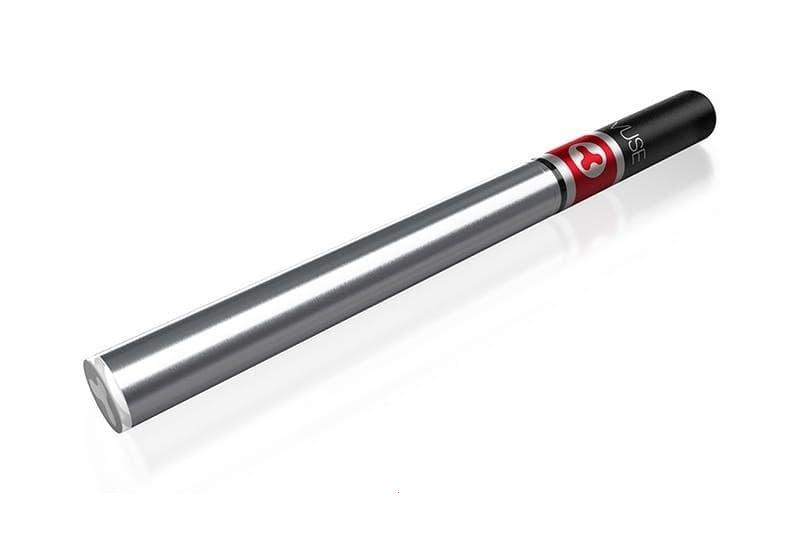
Before you head to the terminal, prioritize safety and rules compliance. Improperly packed batteries and liquids can create delays or safety hazards. Taking a few minutes to inspect your kit, separate batteries, and transfer e-liquid into approved containers can make security checks faster and reduce the risk of confiscation. This overview helps IBVape users and other vapers travel with confidence.
Key rules at a glance
- Carry-on only: Most major civil aviation authorities and airlines insist that e-cigarettes, mods, and spare batteries must be carried in cabin baggage; they are prohibited in checked luggage due to fire risk.
- Battery handling: Remove external batteries from devices where possible; use battery cases that prevent contact with metal objects; keep spare lithium batteries in protective sleeves.
- Liquid limits: E-liquids are governed by the same liquid rules as other toiletries on most flights. Containers typically must be 100ml / 3.4oz or smaller and fit in a single transparent resealable bag.
- Local laws vary: Some countries ban nicotine e-liquids or certain devices. Check destination regulations before travel to avoid fines, confiscation, or legal issues.
Airline policies and their nuances
Each airline sets policies that interpret national aviation guidance. Some carriers enforce stricter rules; others include additional restrictions such as a ban on use inflight or storage limitations. Always visit your airline’s official website for the latest guidance. If you fly with IBVape devices, look for explicit mention of electronic cigarettes, e-liquids, and spare batteries. Keep screenshots or a printed copy of airline rules if you anticipate confusion at the gate.
Security screening and proactive steps
At security checkpoints, present your device and spare batteries when requested by screening officers. Make devices easily accessible in your carry-on to prevent delays. Remove devices from pockets and place them in a bin rather than inside coats to speed x-ray clarity. For an extra layer of preparedness, carry a small checklist in your carry-on: device, spare battery case, e-liquid bag, charging cable (unused on the plane), and manufacturer documentation if required.
Practical IBVape packing checklist
- Devices: One device per pocket or in a protective pouch;
- Spare batteries: Protected in dedicated sleeves or cases (count them and note their mAh rating);
- E-liquids:
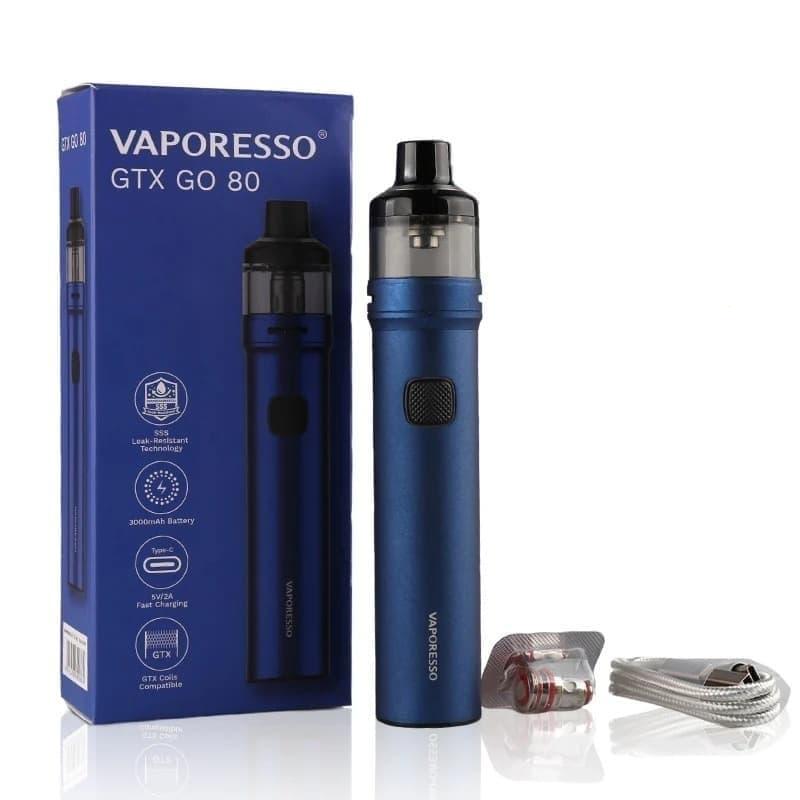 Containers 100ml or smaller, placed inside a transparent resealable bag as per liquid rules;
 - Chargers and cables: Pack in carry-on but do not use them onboard; some airlines forbid charging during flight;
- Disposables: If you carry disposable IBVape or similar single-use vapes, check local nicotine laws at your destination;
- Documentation: Receipts or manufacturer manuals can help demonstrate product type during disputes;
- Tools: Keep small maintenance tools in checked luggage if allowed; avoid sharp items in carry-on.
Battery safety: the single most important consideration
Transporting lithium-ion batteries safely reduces fire risk. Always follow these recommendations: use original manufacturer batteries when possible; never transport damaged or swollen batteries; ensure terminals are taped or protected from contact with metal; carry batteries with charge levels of no more than 30-50% where suggested by certain aviation advisories. IBVape users should recognize that high-capacity batteries and custom modifications often draw extra scrutiny from security staff.
Storage tips during the flight
Keep your e-cigarette and spare batteries in your personal carry-on, not in checked luggage. Place them in an easily reachable compartment for inspection. Do not attempt to use, charge, or recharge devices during taxi, takeoff, landing, or any time inflight if the airline prohibits use. If cabin crew ask you to power down your device, comply promptly.
Understanding the phrase: are e cigs allowed on planes
Short answer: generally yes, but with restrictions. The precise phrase are e cigs allowed on planes reflects a common traveler query. Authorities like the FAA (United States), EASA (Europe), and many national regulators allow e-cigarettes in carry-on baggage but forbid their storage in checked bags and often prohibit use onboard. This means you can bring your IBVape device with you, but you must follow battery protection and liquid rules and respect airline-specific prohibitions on use during flight.
International travel: extra caution required
When traveling internationally, verify whether your destination allows the import and use of nicotine-containing e-liquids and devices. Several countries restrict or ban e-cigarettes entirely. Even if transit airports permit e-cigarettes, final-destination laws govern whether you can bring or use them. Always research customs rules, and when in doubt, travel with minimal amounts of e-liquid or choose nicotine-free options if legally safer.

Customs declarations and inspections
Declare your vaping products if required by local law. If officers ask for details, being transparent and cooperative generally helps. Keep original packaging or receipts to verify purchase and nicotine strength. Avoid carrying large commercial quantities that might be mistaken for distribution intent.
Tips for avoiding common pitfalls
- Label batteries and devices clearly to help security staff identify them quickly.
- Use a compact protective case that organizes devices, tanks, and batteries separately.
- Keep e-liquids tightly sealed and upright to prevent leakage.
- Check weather and temperature conditions: extreme cold or heat can affect battery performance.
- Consider travel-friendly, smaller devices for shorter trips to reduce the number of spare batteries required.
What to pack: a practical IBVape travel kit
Assemble a portable kit tailored to your itinerary: one primary device, one warm backup (if required), two protected spare batteries (in sleeves), small bottles of e-liquid under 100ml, a compact charger stored in carry-on, a small syringe or dropper for refills if permitted, and a basic cleaning cloth. Keep the kit lightweight and organized so security inspections are quick.
Packing for layovers and emergencies
On long layovers or unexpected delays, you may need to avoid using your device for extended periods. Consider nicotine replacement alternatives if the destination or airline rules are restrictive. Always have a charged phone and access to airline policy documentation in case staff request clarification.
Special scenarios: connecting flights and multi-carrier trips
If your journey involves multiple carriers, follow the most restrictive airline’s rules to avoid confusion. When connecting through airports with strict inspections, be ready to show that your kit complies with local carry-on rules. Some countries have unique scanning procedures that may require unpacking some components, so pack with easy access in mind.
Retail and duty-free purchases
Purchasing e-liquids or devices at duty-free can be convenient, but remember that duty-free items may still be subject to carry-on liquid limits when you board your next flight. If you buy e-liquid after security, be aware of quantity limits for subsequent flights and the potential for confiscation if you exceed local rules before boarding.
Smart device maintenance on the road
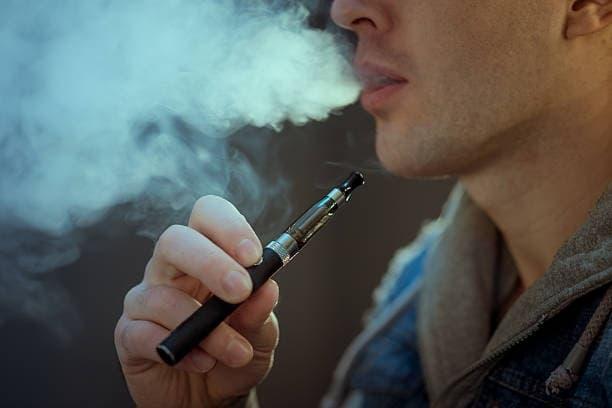
To maintain performance: clean threads, keep coils dry if packing for long periods, and store e-liquid bottles upright. During extended travel, rotate batteries if carrying several to prevent excessive single-battery wear. IBVape users can benefit from following manufacturer-recommended storage and maintenance tips to preserve device longevity and avoid malfunctions while away from home.
When to contact the manufacturer
If you experience device malfunction, battery failure, or unusual behavior, consult IBVape customer support or the device manual before attempting a repair. Unauthorized repairs in-flight or at security screening points are not advisable. Manufacturer guidance can clarify warranty implications and provide safe troubleshooting steps.
Etiquette and responsibility
Respect non-smoking and non-vaping rules on aircraft and in airport terminals. Even if a small percentage of airports permit vaping in designated outdoor spaces, most enclosed spaces remain restricted. When in doubt, follow crew instructions and signage. Being considerate reduces conflict and helps keep vaping privileges intact for travelers.
Additional resources and reliable references
Before departure, consult: official airline regulations, airport security pages, and civil aviation authority advisories in both origin and destination countries. Keep a local legal summary or bookmark of regulations on your phone for easy access. Reliable sources typically include government aviation pages and airline customer policy sections.
Checklist recap
Essential items to carry: primary device, spare batteries in sleeves, e-liquids in 100ml containers inside a clear bag, charger in carry-on, protective case, receipts/manuals, and a brief printed or screenshot of airline and airport rules. Double-check for destination-specific bans or quantity limits.
Closing advice for responsible travelers
Traveling with IBVape devices can be straightforward with careful planning. Prioritize carrying devices in cabin luggage, protect batteries, respect liquid limits, and always verify local laws and airline policies. When strangers or staff ask whether are e cigs allowed on planes, you can respond that they typically are allowed in carry-on with strict conditions — but never assume uniformity across borders and carriers. Staying informed keeps your trip smooth and safe.
Recommended quick actions before leaving home
1) Verify airline rules; 2) Pack e-liquids in approved containers; 3) Secure batteries in sleeves; 4) Prepare documentation and screenshots; 5) Keep your kit accessible for inspection. Planning these steps reduces the chance of confiscation, fines, or embarrassment at the security line.
FAQ
Q: Can I put my IBVape device in checked luggage?
A: No. Best practice and most regulations require e-cigarettes and spare lithium batteries to be carried in the cabin, not in checked baggage, because of potential fire hazards.
Q: How much e-liquid can I bring?
A: Follow the airport liquid rules at your departure point. Most airports allow containers up to 100ml each, packed together inside a single transparent resealable bag. If traveling internationally, check both departure and arrival liquid regulations.
Q: What if my destination country bans nicotine e-liquids?
A: Research local laws before travel. If nicotine liquids are banned, consider nicotine-free options or obtain local guidance on permitted products. Noncompliance can lead to confiscation or legal penalties.