
E-cigareta basics for curious vapers and the central question: do e cigarettes have tobacco
This extended guide explores the modern handheld devices often referred to in different languages as e-cigarettes, vaping devices, pods, or E-cigareta units. It is written for people who want a clear, evidence-informed explanation about composition, risks, practical tips and the regulatory landscape. If you’ve searched for phrases like do e cigarettes have tobacco or wondered whether an E-cigareta contains actual tobacco leaf or tobacco smoke, this article will answer that question and expand into related topics that matter to vapers, health professionals, and policy makers.
What an E-cigareta is and how it differs from tobacco smoking
At its simplest, an E-cigareta is an electronic device that heats a liquid (known as e-liquid, vape juice or e-juice) to create an aerosol that users inhale. This aerosol is often called vapor in everyday language, although it technically consists of fine particulates suspended in air rather than a true vapor phase. The key point to emphasize: traditional combustible cigarettes use cured tobacco leaf that is burned to produce smoke, while most E-cigareta products do not contain tobacco leaf and do not burn plant material. So when people ask, do e cigarettes have tobacco? The straightforward answer is: typical e-cigarette liquids do not contain tobacco leaf, but many do contain nicotine, a chemical originally derived from tobacco plants.
Core components of common devices
- Battery — provides power to heat the coil.
- Atomizer/coil — the heating element that vaporizes e-liquid.
- Cartridge/pod or tank — holds the e-liquid; some are replaceable, others refillable.
- E-liquid — the mixture that becomes aerosol; ingredients are documented below.
Why the distinction between tobacco and nicotine matters
The legal, clinical and perceptual differences between containing tobacco leaf and containing nicotine are important. Policies often target “tobacco products” broadly, and definitions vary by jurisdiction. Understanding whether an E-cigareta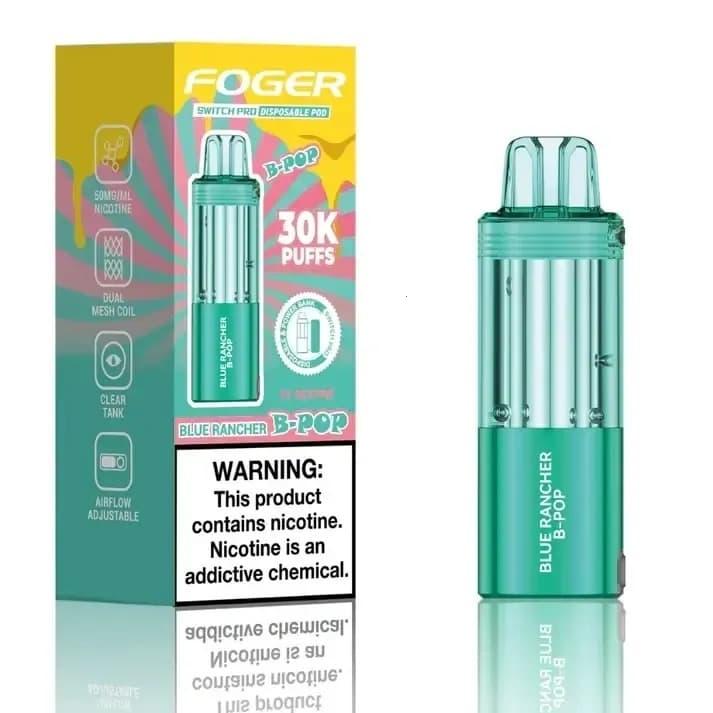 is considered a tobacco product in local law may determine sales restrictions, flavors allowed, taxes, and advertising limits. Clinically, nicotine is the addictive substance that most smokers and many vapers seek; however, nicotine alone is not the same as smoking tobacco, which produces thousands of combustion by-products that cause most smoking-related diseases.
What is in e-liquid: ingredients explained
Learning the composition of e-liquid answers the literal meaning of whether e-cigarettes “have tobacco” inside them. A typical e-liquid includes:
- Propylene glycol (PG) — a carrier that produces throat sensation and carries flavor.
- Vegetable glycerin (VG) — a thicker carrier that generates denser visible aerosol.
- Nicotine — variable concentrations, sometimes absent; may be freebase nicotine or nicotine salts.
- Flavorings — food-grade flavor compounds that create fruit, dessert, menthol, tobacco-like or unique tastes.
Notice: none of these standard base ingredients are cured tobacco leaf. Nicotine used in e-liquids is usually extracted from tobacco plants in industrial processes or synthesized, but that nicotine molecule is isolated and incorporated into e-liquid rather than being present as part of a tobacco leaf matrix. This fact is crucial to answering do e cigarettes have tobacco in the strict sense of containing the plant material.
Tobacco-flavored liquids — terminology and confusion
Manufacturers may label e-liquids as “tobacco” flavored to approximate the sensory profile of cigarettes, but this denotes flavoring based on chemicals that mimic tobacco taste, not shredded tobacco leaf. When comparing health effects, a tobacco-flavored e-liquid without combustion lacks many of the hazardous by-products produced by burning tobacco.
Nicotine: the addictive chemical that links e-cigarettes to tobacco
While most e-liquids do not contain tobacco, many do contain nicotine. Nicotine is naturally present in tobacco plants and is harvested for use in cigarettes, nicotine replacement therapies (NRTs), and e-liquids. When readers ask do e cigarettes have tobacco, they often mean “do they contain nicotine” — and the answer is: many do. Nicotine concentrations range widely from zero to levels comparable with or even exceeding those found in combustible cigarettes, depending on the product (traditional tank devices, pod systems using nicotine salts, disposable vapes, etc.).
Nicotine salts vs freebase nicotine
Nicotine salts are a formulation that allows higher nicotine concentrations with smoother throat sensation, popular in pod systems and disposables. Freebase nicotine is the form found in many older e-liquids and traditional cigarettes. Nicotine, regardless of form, is addictive and can impact cardiovascular endpoints; however, it is not the primary source of the carcinogens associated with smoked tobacco.
Health impact comparison: vaping versus combustible tobacco
For adults who smoke and switch completely to vaping—a point stressed by many public health agencies in harm-reduction contexts—the exposure to many toxicants is substantially reduced. A balanced explanation shows why public health messages are nuanced: combustion of tobacco produces tar, carbon monoxide, polycyclic aromatic hydrocarbons, and nitrosamines at high levels that are strongly linked to cancer, lung disease and cardiovascular disease. Most e-liquids and heating devices eliminate combustion and therefore reduce exposure to these particular compounds. That said, vaping is not risk-free: inhaling aerosols can affect the respiratory system, and long-term data are still accumulating.
Key risk categories
- Acute: device malfunction, battery explosions (rare but preventable), nicotine poisoning from spills or ingestion.
- Subacute: cough, throat irritation, bronchial reactivity in some users, especially with high-PG liquids or strong flavorings.
- Chronic: potential cardiovascular effects, uncertainty about long-term respiratory outcomes; ongoing research examines carcinogenic risk from heated flavoring chemicals and thermal degradation products.
Regulation, labeling and why the wording matters
Because many jurisdictions regulate “tobacco products,” companies and regulators often debate whether devices and e-liquids fall under those rules. If an e-liquid contains nicotine derived from tobacco, regulators may classify it as a tobacco product even if no tobacco leaf is directly present. Conversely, nicotine-free e-liquids may escape some tobacco-specific rules but still face safety and consumer protection standards. Users asking do e cigarettes have tobacco should check local law to know whether their device is treated as a tobacco product, an electronic nicotine delivery system (ENDS), or a consumer electronic product.
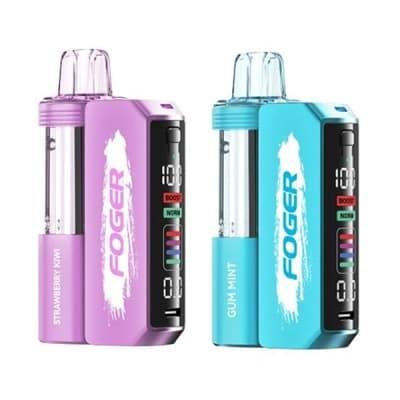
Label transparency and what to check on a bottle
Good product labels will indicate ingredients, nicotine concentration, batch numbers, manufacturer contact info and safety warnings. Look for third-party lab testing or certificates of analysis (COAs) where available. Reputable vendors disclose nicotine source and concentration, helping buyers answer their own “do e cigarettes have tobacco” question for the specific product.
Common myths and clarifications
Myth: Vapes contain shredded tobacco leaf. Fact: Most do not; they use isolated nicotine and flavorings in a carrier liquid.
Myth: Vaping is completely safe. Fact: Safer than smoking combustion products for established smokers, but not risk-free—young people and non-smokers should avoid nicotine.
Secondhand exposure and bystanders
Secondhand aerosol from E-cigareta devices contains fewer toxicants than secondhand smoke, but non-users can still inhale nicotine, flavoring compounds and ultrafine particles. Public policies often treat vaping differently from smoking, but many indoor spaces restrict both to protect bystanders.
Practical guidance for vapers and smokers considering switching
If you’re a smoker asking do e cigarettes have tobacco because you’re considering a transition, here are practical steps and considerations:
- Identify your goals: complete cessation of all nicotine, harm reduction by switching from combustible cigarettes, or temporary cutting down.
- Choose the right device: pods and disposables are easy to use; refillable tanks offer cost efficiency and customization.
- Match nicotine delivery: if cigarettes provide a strong nicotine hit, nicotine salts or higher concentrations may ease transition.
- Mindful flavor selection: tobacco-flavored liquids can help some smokers mimic the sensory experience without burning tobacco.
- Seek support: behavioral counseling and stop-smoking services improve quit success, even when using e-cigarettes as a tool.
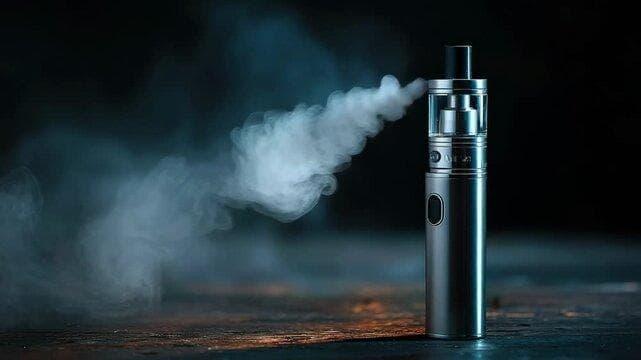 E-cigareta explained — do e cigarettes have tobacco and what that means for vapers” />
Safety tips
Keep e-liquids away from children and pets; nicotine is toxic in concentrated amounts. Charge devices with recommended chargers to reduce battery risks. Use correct coils and avoid improvising hardware that can overheat the liquid and create harmful thermal degradation products.
Environmental and disposal considerations
Though e-liquids avoid the millions of cigarette butts discarded daily, vape devices and lithium batteries add electronic waste concerns. Proper disposal of cartridges, batteries and leftover e-liquids reduces environmental impact. Many localities have electronics recycling programs that accept used vape devices and batteries.
User experience: factors shaping satisfaction
Vaper satisfaction is driven by throat hit, nicotine delivery profile, flavor quality, cloud production and device ergonomics. Understanding these variables helps users find a suitable product that may support complete switching from tobacco cigarettes—an important consideration in harm-reduction contexts.
Flavor role
Flavors are a contentious regulatory topic because while many adult smokers prefer flavored e-liquids when switching, flavors also attract youth. This trade-off shapes policy debates and informs retailer restrictions in various countries.
Research landscape and uncertainties
Scientific consensus acknowledges that vaping is likely less harmful than smoking combustible tobacco for adult smokers who switch completely, but the magnitude of reduced harm for long-term users and the population-level effects depend on patterns of uptake among youth, dual use, and cessation behaviors. Ongoing research investigates thermal degradation products, long-term respiratory outcomes, cardiovascular endpoints, and the impact of flavoring chemicals when inhaled chronically.
Where to find reliable information
Check national public health agencies, peer-reviewed journals, and reputable medical organizations for evidence-based guidance. For product-specific safety, look for laboratory testing reports and regulatory approvals where applicable.
How to answer the core query: do e cigarettes have tobacco?
Summarizing the essential point: most modern e-cigarettes and e-liquids do not contain actual tobacco leaf and therefore do not produce tobacco smoke via combustion. However, many e-cigarettes do contain nicotine, a compound historically and agriculturally linked to tobacco plants. Thus, answering the search intent behind do e cigarettes have tobacco requires clarifying that while the physical tobacco plant is not present in most e-liquids, the chemical nicotine often is.
Short checklist to determine whether a product contains tobacco or tobacco-derived ingredients
- Read the ingredients on the bottle — look for “nicotine” and the nicotine concentration.
- Look for flavor descriptors — “tobacco” indicates a flavor profile, not leaf content.
- Check manufacturer disclosures about nicotine source — “tobacco-derived nicotine” vs “synthetic nicotine” matters for some regulations.
- Check local legal definitions — some places treat nicotine-containing vapes as tobacco products even if no leaf is included.
Communication tips for vapers and advocates
When discussing vaping with friends, family, or policy makers, use clear language: explain the absence of burned tobacco in most devices, but acknowledge nicotine content and addiction potential. Distinguish between harm reduction for current smokers and the goal of preventing youth nicotine initiation.
Final practical summary
In short: an E-cigareta usually does not contain tobacco leaf, but it often contains nicotine that originates from tobacco plants or is synthesized. For many smokers, switching to vaping may reduce exposure to harmful combustion products, but vaping is not harmless, and patterns of use and product quality matter greatly. If your primary search is do e cigarettes have tobacco, now you have a nuanced answer and a framework to evaluate specific devices and e-liquids.
Additional resources and next steps
For those ready to explore safer strategies: consult local cessation services, seek medical advice for nicotine dependence, and favor products with transparent labeling and third-party testing. If you’re a non-smoker or under 25, the health recommendation is clear: avoid nicotine-containing products altogether.