
Understanding Vape safety: an evidence-based overview for everyday users
Vaping has become a common alternative to smoking in many communities, but anyone who uses a Vape or is considering switching should understand both immediate and long-term health concerns as well as practical safety steps. This guide examines the composition of electronic nicotine delivery systems, highlights the most important side effects of using e cigarettes that research has identified, and offers pragmatic suggestions for reducing harm while supporting the decision-making of users, caregivers, and health professionals.
What is inside a typical e-cigarette and why ingredients matter
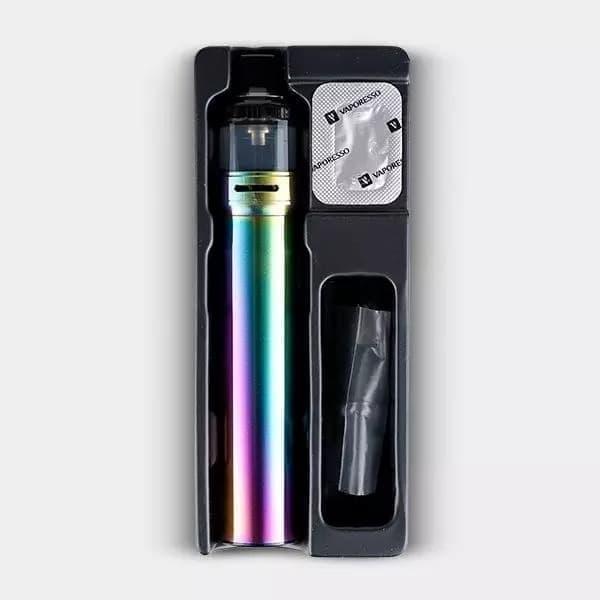
Modern Vape devices vary widely but share core components: a battery, a reservoir or pod, a heating element, and a liquid often called e-liquid or vape juice. E-liquids typically contain a base (propylene glycol and/or vegetable glycerin), flavorings, and variable nicotine levels. Some products may also contain traces of contaminants, heavy metals from coils, or additives such as vitamin E acetate in illicit cannabis products. The chemical makeup is central to understanding the side effects of using e cigarettes, because inhalation delivers aerosols directly to the lungs and circulatory system.
Common compounds and their implications
- Nicotine: addictive stimulant that raises heart rate and blood pressure, impairs adolescent brain development, and can complicate pregnancy outcomes.
- Propylene glycol / Vegetable glycerin: humectants that form the aerosol; can cause throat irritation and may break down when heated into other compounds.
- Flavorings: engineered for taste and appeal; some are safe to ingest but not necessarily safe to inhale—certain aldehydes and diacetyl have been linked to lung injury.
- Metals and particulates: heating coils can shed nickel, chromium, and lead into vapor, contributing to respiratory and systemic toxicity risk.
The short-term side effects every user should recognize
Short-term reactions can appear shortly after initiation or flare during use. These are often reversible if exposure is reduced but can indicate sensitivity or device malfunction.
- Respiratory irritation: cough, sore throat, wheeze, increased phlegm production. Users with asthma may notice exacerbations.
- Oral and dental effects: dry mouth, gum inflammation, increased risk of oral infections and dental decay due to reduced salivary flow.
- Cardiovascular symptoms: palpitations, dizziness, transient blood pressure elevation, and chest discomfort—especially with high-nicotine liquids.
- Neurological signs: headaches, lightheadedness, nausea, and nicotine-induced tremor in sensitive individuals.
- Acute hypersensitivity: contact dermatitis from device components or allergic reactions to flavor compounds.
Long-term risks and areas of active research
Long-term data on Vape use are still emerging, but studies and surveillance have identified plausible risks based on known mechanisms and early findings.
Potential chronic effects
- Chronic respiratory disease: repeated inhalation of heated aerosols may alter lung immune responses, increase susceptibility to infection, and contribute to chronic bronchitic symptoms.
- Cardiometabolic impact: nicotine affects vascular function and may accelerate atherosclerotic processes; metabolic alterations and insulin resistance are areas under study.
- Oral health decline: increased periodontal disease and delayed wound healing in the oral cavity.
- Cognitive and developmental effects: adolescent and fetal exposure to nicotine is linked to impaired brain development, attention deficits, and mood disorders.
- Potential cancer risk:
 although the profile differs from combustible tobacco, some thermal breakdown products and metals could increase long-term cancer risk; longitudinal evidence is still limited.
Because complete long-term cohort data are not yet available—given the relative novelty of these products—precautionary principles should guide public health messaging and individual decisions.
Why special attention is warranted for certain populations
Vulnerable groups deserve targeted warnings and tailored harm-reduction strategies. These include adolescents and young adults, pregnant people, individuals with cardiovascular or pulmonary disease, and people with nicotine dependence. For example, nicotine exposure in pregnancy is associated with preterm birth and developmental issues, and youth exposure is particularly harmful because the adolescent brain is still developing.
Youth and initiation
Vape products are often marketed in flavors and formats that appeal to younger demographics. Studies show that initiation with flavored products increases the likelihood of progression to regular use and may act as a gateway to combustible tobacco for some. Education, age-verification, and flavor restrictions are policy-level interventions designed to reduce initiation risk.
Device and battery safety: avoid preventable accidents
Aside from biological effects, device malfunction is a real hazard. Battery failures can cause thermal events, and improper charging or modification (so-called “modding”) increases the risk of fires and explosions. Users should follow manufacturer instructions, never use damaged batteries, and avoid using off-brand chargers. Retailers and regulatory bodies increasingly promote safer battery standards and child-resistant packaging to lower accidental exposure and injury.
Harm reduction strategies and practical tips
If someone chooses to use a Vape, several strategies can reduce risk. These do not eliminate harm but can mitigate many avoidable dangers:
- Choose regulated products: prefer devices and e-liquids from reputable manufacturers that provide ingredient transparency and manufacturing controls.
- Monitor nicotine concentration: lower nicotine levels reduce the likelihood of dependence and are less likely to cause acute cardiovascular symptoms.
- Limit flavor exposure: avoid compounds known to be harmful when inhaled (for example, buttery or popcorn-like flavors linked to diacetyl).
- Maintain devices properly: replace coils and pods per manufacturer guidance and keep liquid reservoirs clean to minimize microbial contamination.
- Store safely: keep liquids and devices away from children and pets; nicotine solutions are toxic if ingested by small children.
- Consult healthcare providers: people with existing health conditions should discuss vaping with clinicians to evaluate personalized risks and alternative cessation options.
Recognizing signs of nicotine dependence and when to seek help
Dependence can develop quickly, especially with high-nicotine products or devices delivering nicotine salts. Warning signs include craving, withdrawal symptoms when not using, unsuccessful attempts to quit, and continued use despite negative consequences. Evidence-based cessation aids—such as behavioral counseling, nicotine replacement therapy, and prescription medications—remain effective and should be recommended to those who wish to stop.
Steps for quitting
- Set a quit date and prepare a plan.
- Identify triggers and replace routines that prompted vaping.
- Use approved cessation therapies as needed and seek behavioral support.
- Monitor progress and adjust plans with professional help.
Combining pharmacotherapy and counseling offers the best outcomes for sustained abstinence.
Addressing common myths and misconceptions
There are persistent myths about safety that require clarification to inform better choices:
- Myth: Vaping is completely safe. Fact: Vaping is likely less harmful than smoking combustible tobacco for many outcomes but is not risk-free.
- Myth: “Nicotine-free” liquids are harmless. Fact: Some “nicotine-free” liquids have trace nicotine and still contain flavoring agents and solvents that can cause lung irritation.
- Myth: Home-mixed or illicit cartridges are equivalent to store-bought regulated liquids. Fact: Homemade or illicit products often lack quality controls and have been linked to severe lung injury outbreaks.
How clinicians and public health professionals approach Vape-related care
Healthcare providers should screen for vaping habits, counsel about risks, and offer evidence-based cessation supports. Public health approaches emphasize surveillance of product-related harms, regulation of product standards, and youth prevention programs. Surveillance systems and clinical reporting are essential to detect emerging hazards related to new additives or device designs.
Monitoring and reporting adverse events
Users and clinicians should report adverse respiratory, cardiovascular, or allergic reactions to appropriate public health authorities. Timely reporting enables rapid identification of product clusters, contaminated batches, or hazardous additives.
Practical takeaways for readers
To summarize key actionable points: first, be informed about what your e-liquid contains and how your device operates; second, prioritize products with third-party verification when possible; third, reduce nicotine strength and limit flavor use to lower certain risks; fourth, store liquids safely and maintain devices properly; and finally, seek professional support when experiencing dependence or adverse health effects. Awareness of the side effects of using e cigarettes empowers safer decisions and helps users protect their own health and that of vulnerable people around them.
Resources and next steps
If you are trying to quit, contact national quitlines, local health services, or consult a clinician about evidence-based cessation methods. Parents and caregivers should keep devices and liquids out of reach and educate young people about the specific harms of early nicotine exposure. Policy makers and community leaders can support harm reduction, youth prevention, and research funding to clarify long-term outcomes.
Whether you are a current Vape user, a concerned family member, or a health practitioner, staying informed and adopting measured safety practices reduces preventable harms and supports healthier communities.
Frequently asked questions
Q: Are the side effects of using e cigarettes immediately dangerous?

A: Most short-term effects are irritation or mild cardiovascular responses; however, severe reactions can occur in sensitive individuals or with contaminated/illicit products. Seek medical care for chest pain, severe difficulty breathing, fainting, or seizures.
Q: Can vaping help people quit smoking?
A: Some adults use Vape products as a smoking cessation tool. While e-cigarettes may reduce exposure to certain combustion-related toxins compared to cigarettes, they are not risk-free and should ideally be part of a structured quit plan under medical guidance.
Q: What are the safest choices if someone decides to vape?

A: Choose products from reputable manufacturers, use lower nicotine concentrations, avoid flavorings linked to lung injury, maintain devices properly, and never modify batteries or use illicit cartridges.
Staying updated with peer-reviewed research and public health guidance will help users and advocates keep pace with evolving evidence about Vape products and the side effects of using e cigarettes.