E Cigarettes, COVID-19, and the Crucial Risks to Consider
Understanding E Cigarettes and Respiratory Health
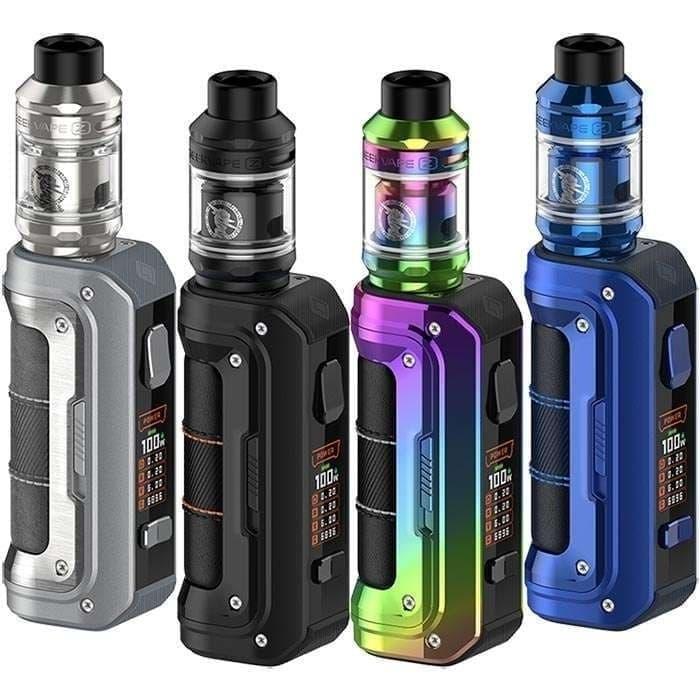
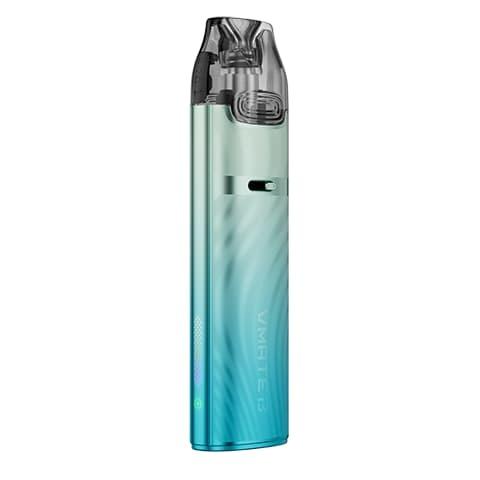
E-cigarettes, commonly seen as a tobacco alternative, function by vaporizing e-liquids, which often contain nicotine, flavorings, and other chemicals. When considering e cigarettes and covid, it’s crucial to note the basics: the respiratory system is directly impacted by both vaping and COVID-19. Vaping can cause lung inflammation and decreases in immune defenses, potentially raising the risk of complications from viral infections like SARS-CoV-2.
How COVID-19 Impacts the Lungs
COVID-19 primarily attacks the lungs, leading to symptoms such as difficulty breathing, coughing, and sometimes severe pneumonia. Recent medical evidence highlights that individuals with weakened lung function — whether due to chronic health conditions or lifestyle factors like e-cigarette use — may be at greater risk of developing severe symptoms if infected.
- Several studies suggest that vaping could increase ACE2 receptor expression, the main gateway for SARS-CoV-2 to enter cells.
- Research associates nicotine exposure with changes in immune response, making it harder to fight off infections.
- Vapers have reported worse outcomes and prolonged recovery times after contracting COVID-19, though data is still emerging and subject to ongoing investigation.

The Role of E Cigarettes in Transmission and Susceptibility
Beyond direct lung health effects, e cigarettes and covid intersect in social and environmental ways. Vape clouds can facilitate droplet spread, potentially increasing the transmission risk in shared environments. In addition, sharing e-cigarette devices among individuals can transmit infectious agents.
Emerging data shows that young adults who vape may be up to five times more likely to test positive for COVID-19 than non-users, emphasizing the seriousness of the relationship between vaping and viral susceptibility.
Behavioral Factors and Community Safety
During the pandemic, many public health organizations strongly recommended against sharing personal devices, including e-cigarettes, to reduce COVID-19 transmission. The act of vaping often involves touching the mouth and face, which can increase the risk of exposure to viral particles.
Changes in Vaping Habits Since the Pandemic
E-cigarette usage patterns saw significant shifts during lockdowns. With increased stress and isolation, some individuals reported greater vaping frequency, while others attempted to quit due to respiratory concerns. Several harm-reduction campaigns were launched to raise awareness of the potential risks associated with e cigarettes and covid.
Long-Term Risks and the Science Behind It
- Prolonged e-cigarette use has been linked with chronic bronchitis and reduced lung capacity.
- For COVID-19 patients, pre-existing respiratory impairment can complicate recovery and increase the risk of severe outcomes.
- Studies are ongoing, but early results suggest that quitting vaping could lower the probability of COVID-related complications.
Best Practices for Vapers During the COVID-19 Pandemic
If you currently use e-cigarettes, consider the following expert recommendations:
– Do not share vaping devices.
– Always wash your hands before and after using your device.
– Aim to reduce vaping or quit, especially during periods of high respiratory infection risk.
– Stay informed on both e cigarettes and covid with reputable sources such as CDC, WHO, or local health departments.
Comparing E Cigarettes and Traditional Smoking in the COVID Era
Both cigarette smoke and vapor impair lung function, though they contain different chemicals and toxicants. Some studies suggest that e-cigarettes may offer slightly lower risk than combustible smoking; however, neither is considered safe, especially in the context of COVID-19, where optimal lung function is critical.
Current Research and Scientific Consensus
There is a consensus among pulmonologists and epidemiologists that more long-term data is needed to fully understand the interaction between e-cigarette use and COVID-19 outcomes. Nonetheless, high-quality preliminary studies support the recommendation to minimize or cease vaping, particularly for individuals at elevated risk of viral infection.
Are Some Groups More at Risk?
- Young adults and teenagers, due to higher rates of device sharing and social vaping, face increased risk.
- Individuals with underlying respiratory conditions, such as asthma or COPD, should avoid vaping.
- Frontline healthcare workers exposed to higher viral loads are advised to keep their lungs healthy for optimal resistance.
Support for Quitting E Cigarettes Amid COVID-19
Many resources are available for those looking to quit vaping, including virtual support groups, telehealth counseling, and dedicated quitlines. The pandemic has highlighted respiratory wellness as a priority, motivating a new wave of public health initiatives.
Key Takeaways for Safety and Prevention
- Reducing or quitting e-cigarettes can boost immune system performance against viral infections.
- Avoid environments where vaping is common, to minimize exposure to secondhand aerosol risks.
- Stay updated on new research linking e cigarettes and covid for ongoing personal safety.
FAQ: E Cigarettes and COVID
- Can e-cigarettes cause more severe COVID-19 symptoms?
- Preliminary research indicates that e-cigarettes can aggravate lung inflammation and decrease immune defense, leading to potentially more severe COVID-19 symptoms in users.
- Should I quit vaping during the pandemic?
- Quitting vaping can improve your overall lung health and immune system efficiency, making it easier for your body to handle viral infections, including COVID-19.
- Is sharing e-cigarette devices risky during coronavirus outbreaks?
- Yes. Sharing devices can transmit germs and viruses, including the coronavirus. Always use your own device and practice rigorous hand hygiene.