
The Growing Conversation Around E-Cigarettes Risks
E-cigarettes, popularly known as vapes, have become a widely discussed topic in recent years. Their emergence as an alternative to traditional tobacco products has sparked both interest and controversy within healthcare circles and among the general public. As their prevalence increases, understanding e cigarettes risks is essential for making informed choices about their use and minimizing potential harm.
What Are E-Cigarettes?
E-cigarettes are electronic devices designed to deliver nicotine, flavorings, and other chemicals to users by heating a liquid into an aerosol. Unlike combustible cigarettes, e-cigarettes do not burn tobacco. Brands, models, and designs vary widely, but the fundamental process remains the same—allowing users to inhale a vaporized mist.
The Health Risks of E-Cigarettes
- Nicotine Addiction: Most e-cigarettes contain nicotine, an addictive substance. Young people are particularly vulnerable, as their brains are still developing. Early nicotine exposure can increase the risk of addiction and may impact cognitive development.
- Lung Injuries: Respiratory health is a significant concern tied to e cigarettes risks. Studies have linked vaping to acute lung injuries, sometimes resulting in hospitalization. While some cases are connected to illicit or modified products, the risk is still notable.
- Chemical Exposure: Although less harmful than many chemicals found in tobacco smoke, e-cigarette aerosol can contain substances like propylene glycol, formaldehyde, and heavy metals. Prolonged inhalation of these compounds is associated with potential health complications.
- Cardiovascular Effects: Nicotine elevates heart rate and blood pressure, which may contribute to long-term cardiovascular issues. Some initial research suggests vaping might increase the risk for heart attack and stroke.
- Adolescent Brain Development: E-cigarettes are not risk-free for youth. Nicotine affects areas of the brain responsible for attention, learning, and impulse control. These changes can have lifelong impacts.
How to Reduce E-Cigarettes Risks
For adults who currently smoke, switching completely to e-cigarettes may reduce exposure to the most harmful components of smoking. However, this does not eliminate risk. To reduce harm, consider the following strategies:
- Never Start Vaping if You’re a Non-Smoker: If you don’t already use tobacco products, it’s best to avoid e-cigarettes entirely. Starting to use nicotine can easily lead to addiction.
- Select Regulated Products: Use only products from reputable companies complying with health regulations. Illicit or unregulated vapes have a higher risk of contamination and unsafe additives.
- Limit Flavored Options: Some studies suggest flavored e-liquids are more likely to attract young users and may contain additional harmful compounds. Choose fewer or unflavored liquids when possible.
- Stay Informed About Ingredient Lists: Read ingredient labels carefully and research potentially harmful additives. Avoid products with vitamin E acetate, which has been linked to lung injuries.
- Avoid Modifying Devices: Using “DIY” concoctions, altering devices, or using non-standard cartridges can greatly increase the likelihood of unwanted side effects and accidents.
- Access Support If You Plan to Quit: If you want to stop vaping, seek out support resources like quitlines, counseling, or nicotine replacement therapies designed for cessation.
The Debate: Relative vs. Absolute Harm
E-Cigarettes and Secondhand Exposure
Another emerging area of e cigarettes risks involves secondhand aerosol exposure. While vape emissions generally contain fewer toxic substances than cigarette smoke, bystanders are not exposed to “harmless water vapor.” The aerosol may include nicotine, ultrafine particles, and volatile organic compounds, with the long-term effects of secondhand exposure still under evaluation.
Regulatory Control and Ongoing Research
Health organizations such as the Centers for Disease Control and Prevention (CDC) and the U.S. Food and Drug Administration (FDA) have issued guidelines and warnings regarding e-cigarette safety. Regulations are evolving rapidly to address youth uptake, product safety, and public health education. As ongoing research uncovers new information, recommended policies and personal choices may shift to reflect better understanding of e cigarettes risks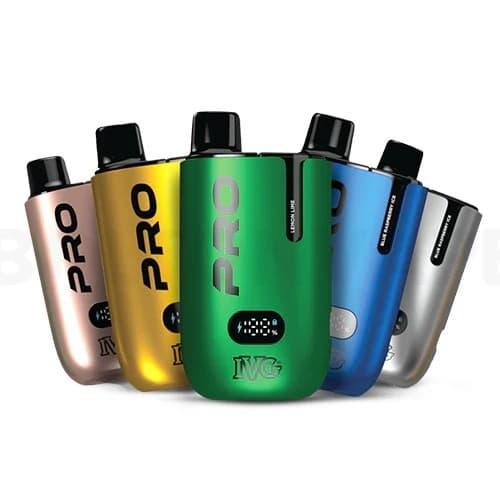 .
.
Common Myths Surrounding E-Cigarettes
- Myth: E-cigarettes are just vapor and completely harmless.
Truth: E-cigarettes emit an aerosol that contains harmful and potentially harmful chemicals, not just water vapor. - Myth: Switching to vaping completely eliminates health risks.
Truth: While switching may reduce exposure to certain toxins, risks—including nicotine addiction and respiratory issues—still remain. - Myth: E-cigarettes cannot cause addiction.

Truth: Most e-cigarettes deliver nicotine, which is highly addictive, sometimes at even higher doses than cigarettes.

Final Thoughts: Making Safer Choices
While e-cigarettes have the potential to reduce certain health risks for adult smokers who switch, they are not risk-free and should be avoided by non-smokers and young people. The most effective way to avoid e cigarettes risks is never to start using them, and to seek guidance from health professionals if considering a switch or planning to quit. Remaining informed and cautious is crucial in navigating the evolving landscape of nicotine delivery products.
Frequently Asked Questions (FAQ)
Q1: Are e-cigarettes safer than smoking regular cigarettes?
A: E-cigarettes typically expose users to fewer harmful chemicals than cigarettes, but they still carry significant risks, especially due to nicotine and inhaled chemicals.
Q2: Can e-cigarettes help you quit smoking?
A: Some smokers have used e-cigarettes as quit aids. However, their effectiveness for quitting varies, and approved cessation aids may be more reliable.
Q3: Are e-cigarettes safe during pregnancy?
A: No. Nicotine exposure during pregnancy can harm fetal development, so e-cigarettes should not be used by pregnant individuals.