
E Cigarette vs Tobacco Cigarette: A Deep Dive Into Smokers’ Choices

If you find yourself weighing e cigarette vs tobacco cigarette, you’re not alone. With modern advances in alternatives to traditional smoking, millions of people now face the important question: which is the better choice for smokers? This comparison seeks to clarify the main differences, potential advantages, and drawbacks to help users make an informed decision.
Understanding E Cigarettes and Tobacco Cigarettes
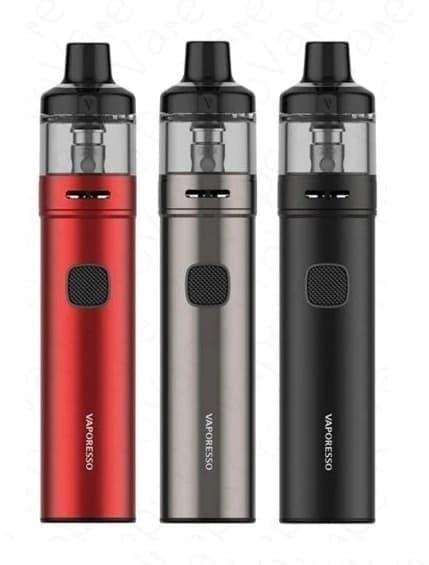
Tobacco cigarettes are rolled paper sticks containing processed tobacco leaves. Smoking them combusts the tobacco, releasing smoke and thousands of chemical compounds, including known carcinogens. In contrast, e cigarettes, or electronic cigarettes, are battery-powered devices that heat e-liquid (often containing nicotine, flavors, and propylene glycol or glycerin) to generate vapor instead of smoke. This fundamental mechanical distinction shapes many differences between the two.
Nicotine Delivery and Satisfaction
Both tobacco cigarettes and e-cigarettes can deliver nicotine, the main addictive substance in smoking. However, the method and speed can vary. Traditional cigarettes produce a rapid “hit” due to the inhalation of combusted nicotine, which quickly enters the bloodstream. E-cigarettes also provide nicotine, but depending on the device and liquid concentration, the delivery can be smoother or somewhat delayed. This aspect influences perceived satisfaction and may affect how smokers transition between these options.
Health Effects: What Science Says
One of the biggest considerations in the e cigarette vs tobacco cigarette debate is health. Burning tobacco creates countless harmful byproducts—tar, carbon monoxide, and more than 70 cancer-causing chemicals. Decades of scientific research associate tobacco smoke with lung diseases, heart conditions, strokes, cancers, and other chronic illnesses. On the other hand, while e-cigarettes are not risk-free, evidence currently indicates that vaping exposes users to significantly fewer harmful substances compared to traditional smoking. However, e-liquids may still contain potentially dangerous chemicals (such as formaldehyde or diacetyl in poor-quality products), and the long-term health impact is still under study.
Secondhand Exposure: Smoke vs Vapor
Classic smoking is notorious for its secondhand smoke risks, which can be hazardous to bystanders, especially indoors. Passive exposure to tobacco smoke increases the risk of respiratory problems and other health issues even in non-smokers. E-cigarettes emit vapor, not smoke, and the consensus so far is that secondhand risk is considerably lower. However, public health recommendations advise minimizing exposure to e-cigarette vapor, especially for children and pregnant women.

Flavor and Customization
Another compelling aspect in the e cigarette vs tobacco cigarette conversation is the sheer variety available. While tobacco cigarettes offer limited flavor options (mostly “tobacco” or “menthol”), vaping caters to a vast range, from classic tobacco and menthol to fruity, sweet, dessert, and even beverage-inspired flavors. Some people find this variety aids their transition from smoking, while others warn about enticing flavors attracting non-smokers or youth.
Cost Comparison
The financial difference between e-cigarettes and tobacco cigarettes is worth noting. A pack-a-day smoker of traditional cigarettes can spend a substantial amount monthly or annually. E-cigarettes require an upfront investment in devices and periodic purchases of e-liquid and coils, but for most users, the ongoing expense is typically lower than maintaining a daily tobacco cigarette habit.
Social Acceptance and Regulation
Social views on e cigarette vs tobacco cigarette use can vary drastically. While cigarette smoking is widely restricted and socially discouraged in many regions, vaping has been perceived as less obtrusive. Nevertheless, regulations around e-cigarette use are tightening in many countries, mirroring those for tobacco products—including age restrictions, marketing limits, and bans in public places. Smokers should stay informed about current laws and standards in their areas.
Environmental Impact
Addiction and Withdrawal
Both types of products contain nicotine, which can lead to dependence and tough withdrawal symptoms. Some smokers choose e-cigarettes as a step-down aid, gradually decreasing their nicotine intake. While this approach has helped some quit successfully, evidence is still evolving, and public health authorities stress that abstinence remains the best option for health.
- Tobacco Smoke: High addiction potential, decades of social and medical context.
- Vaping: Adjustable nicotine levels, can be tailored to weaning strategies.
Long-Term Trends: What Does the Future Hold?
As research into vaping accumulates, more information becomes available about its long-term safety profile. While switching from smoking to vaping is generally considered positive from a harm reduction perspective, the best health choice is always to refrain from both. Ongoing studies and emerging regulations will continue shaping future use and guidance for both products.
Summary: Which Is the Better Choice?
When choosing between e cigarette vs tobacco cigarette, many see vaping as a less-harmful alternative, especially for current smokers seeking to quit tobacco. E-cigarettes offer fewer toxic substances, customizable features, and potentially lower costs. However, non-smokers and youth should avoid both due to the risks of nicotine addiction. Ultimately, either option carries risks, but e-cigarettes are favored in harm reduction strategies when compared to traditional smoking.
FAQ
- Is vaping completely safe compared to regular cigarettes?
- No, while vaping generally exposes users to fewer toxins than smoking, it still carries potential health risks, especially with unregulated or poor-quality products. The safest choice is to avoid both.
- Can e-cigarettes help me quit smoking?
- Some evidence suggests e-cigarettes may help smokers reduce or stop tobacco use, but results vary. Consider combining vaping with other proven cessation methods and seek professional advice for best results.
- Does secondhand vapor from e-cigarettes harm others?
- Secondhand vapor contains fewer harmful substances than cigarette smoke, but inhaling it isn’t risk-free. Good ventilation and avoiding vaping around vulnerable populations are recommended.