
Understanding modern nicotine devices: a clear guide
In this comprehensive guide you will find practical, science-backed information about electronic nicotine delivery systems, often called vapes, pods, or e-cigarettes. If you landed here while asking e-cigarety related questions or wondering specifically does e cigarettes contain tobacco, this piece is designed to give clear, well-structured explanations, evidence summaries, risk considerations, and responsible guidance for consumers, parents, and health professionals.
What is an e-cigarette and how does it work?
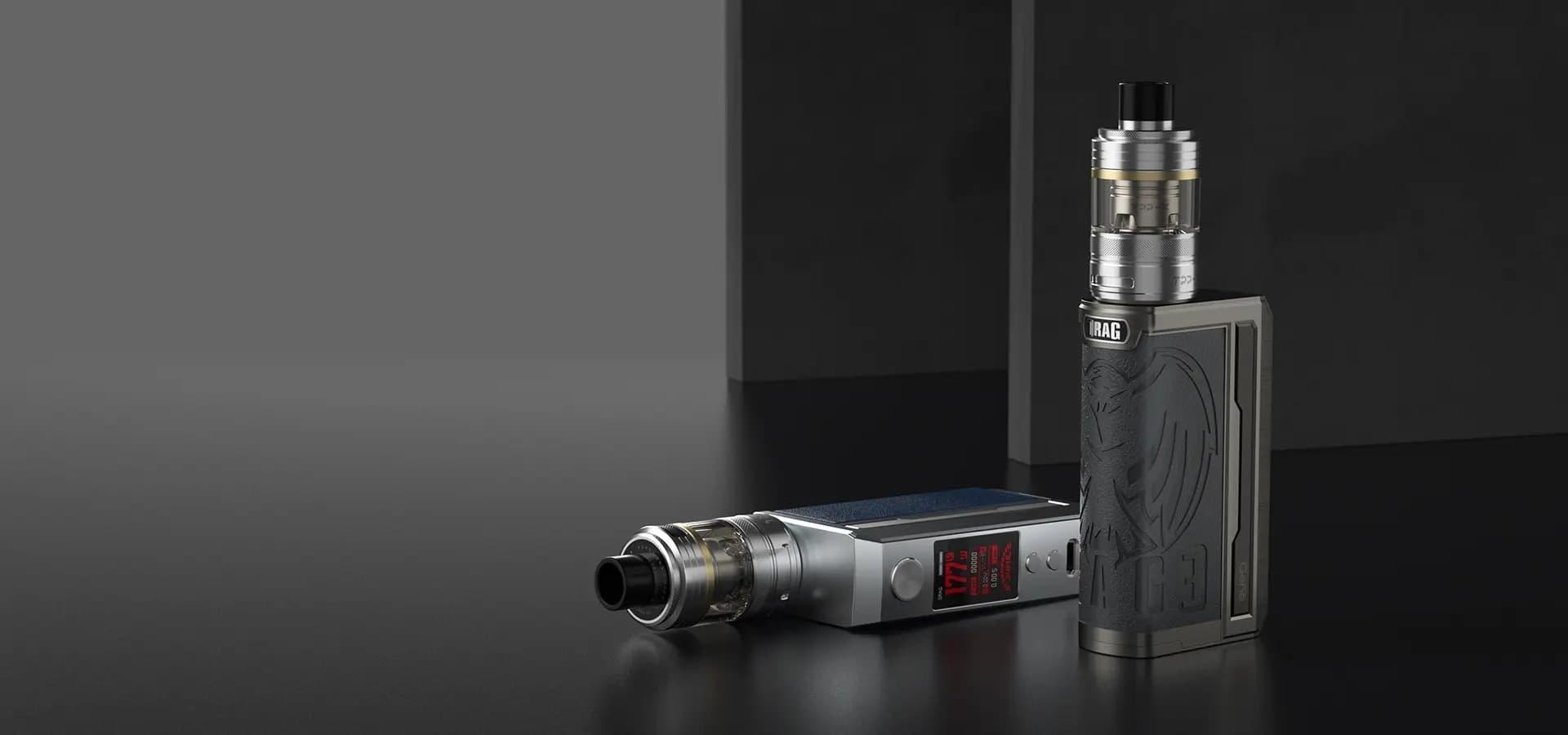
Electronic nicotine devices are battery-powered instruments that heat a liquid into an aerosol (commonly but inaccurately called “vapor”) that users inhale. The main parts include a battery, a heating element (coil), a reservoir or cartridge, and an activation control. The liquid — often called e-liquid, vape juice, or e-juice — is heated and produces an aerosol containing fine particles and a mix of chemical compounds. The physical mechanics are simple, but the chemistry and health implications require careful explanation.
Key components
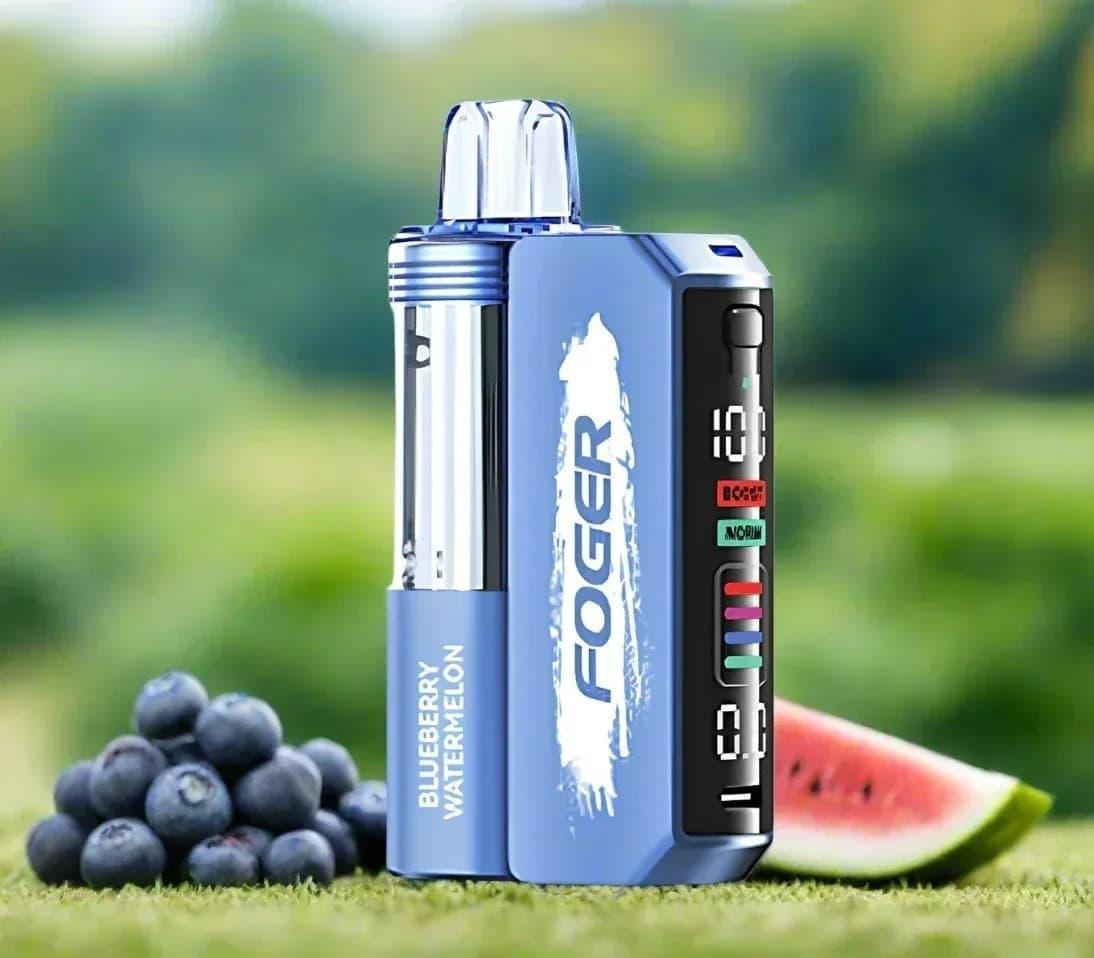
- Battery and electronics: power the heating element, regulate temperature, and sometimes control delivery.
- Atomizer/coil: a metal element that heats the liquid; coil materials can release trace metals when heated.
- Cartridge/tank: holds the e-liquid; single-use pods or refillable tanks are common.
- E-liquid: the blend of ingredients that becomes the aerosol.
What’s in e-liquids?
Understanding ingredients is essential to answering whether these products contain tobacco. Typical formulations include:
- Nicotine: a stimulant and addictive compound that can be present in varying concentrations or omitted entirely. Nicotine used in e-liquids is usually derived from tobacco plants through extraction or produced synthetically.
- Vehicle solvents: Propylene glycol (PG) and vegetable glycerin (VG) are the most common carriers; they help form the aerosol and affect throat hit and vapor density.
- Flavorings: Food-grade flavoring agents adapted for inhalation. These compounds are diverse and often not tested long-term for respiratory safety.
- Minor additives: pH adjusters, sweeteners, and sometimes preservatives or colorants.
Importantly, most commercial e-liquids do not contain cured tobacco leaves or shredded tobacco plant material in the same way a cigarette does. That leads to a frequent clarification: does e cigarettes contain tobacco? The short, precise answer is: typically they do not contain tobacco leaf, but they may contain nicotine that originally comes from tobacco.
Clarifying the tobacco question
e-cigarety devices are often marketed as alternatives to smoked tobacco. This creates confusion: the product may not include tobacco leaf, but many e-liquids contain nicotine sourced from tobacco plants. Manufacturers extract nicotine from tobacco or produce nicotine synthetically in a lab. When nicotine comes from tobacco, the chemical itself is separated from the plant matrix, so the user is not inhaling tobacco leaf combustion products like tar, but they are inhaling nicotine and other aerosolized chemicals produced during heating.
Thus, asking does e cigarettes contain tobacco requires nuance: the physical tobacco leaf is usually absent, yet the addictive alkaloid nicotine may be present and is frequently derived from tobacco.
Health risks and what science says
Research into health outcomes from e-cigarette use has expanded rapidly. Key findings include:
- Addiction risk: Nicotine is highly addictive, and nicotine-containing e-liquids can lead to dependence, especially in young brains that are still developing.
- Respiratory effects: Aerosolized chemicals can irritate airways, increase risk of bronchitic symptoms, and may contribute to long-term lung injury. Cases of severe lung injury associated with vaping (e.g., EVALI) highlighted harms from certain additives or contaminants.
- Cardiovascular concerns: Nicotine and some aerosol components may increase heart rate, blood pressure, and could contribute to vascular dysfunction over time.
- Chemical exposures: Heating e-liquids can produce aldehydes (formaldehyde, acrolein), volatile organic compounds, and metal particulates from coils; the levels depend on device design, temperature, and liquid composition.
- Unknowns: Long-term population-level effects remain uncertain because these products are relatively new compared with combustible tobacco.
Risk varies with product type: some newer pod systems use nicotine salts that deliver nicotine more smoothly and at higher concentrations, raising concerns about addiction potential.
Comparing to combustible tobacco
When evaluating harm, many experts use relative-risk frameworks. Combustible cigarettes expose users to thousands of chemicals created by combustion, including carcinogens and toxicants responsible for most smoking-related diseases. Because e-cigarettes do not burn tobacco, they typically deliver fewer of those combustion-derived toxins. Some public health authorities suggest that for adult smokers switching completely, e-cigarettes may be less harmful than continuing to smoke cigarettes. However, that does not mean they are safe, nor does it support uptake among non-smokers, adolescents, or pregnant people. The message must be balanced: reduced exposure to some toxins does not equal no risk.
Common myths and misunderstandings
- Myth: “E-cigarettes are harmless water vapor.”
Truth: The aerosol contains fine particulates and chemicals; it is not pure water vapor. - Myth: “If it has no nicotine, it is risk-free.”
Truth: Nicotine-free liquids still contain solvents and flavoring chemicals that when heated can form harmful compounds. - Myth: “There is no tobacco in e-cigs.”
Truth: While tobacco leaf is usually absent, nicotine in many products is derived from tobacco; always check labels and lab reports where available.
Regulation, labeling, and quality control
Regulatory frameworks differ widely by country. Some jurisdictions require product testing, ingredient disclosure, and limits on nicotine concentration or flavors. Where regulation is weak or absent, products may contain undisclosed additives or contaminants. Consumers should look for:
- Clear ingredient lists and nicotine concentration stated in mg/ml.
- Third-party testing or certificates of analysis when available.
- Manufacturer information and batch codes that allow recalls.
Keep in mind that even with transparent labeling, thermal breakdown products generated during heating may not be listed.
Special populations: youth, pregnancy, and those with chronic illnesses

Young people are particularly vulnerable to the addictive effects of nicotine and the influence of flavored products. Nicotine exposure during adolescence can have persistent effects on attention, learning, and mood. Pregnant people using nicotine products risk adverse outcomes for fetal development. For individuals with underlying lung or heart disease, inhaling aerosols adds additional stress on compromised systems. Clinicians generally advise avoiding e-cigarette use in these groups.
Practical advice for users and clinicians
For adults who smoke and are considering switching, a few pragmatic points:
- Discuss goals with a healthcare provider. Complete switching from combustible cigarettes can reduce exposure to many harmful compounds, but quitting all nicotine is the best health outcome.
- Use regulated products from reputable manufacturers when possible; avoid modifying devices or using illicit additives.
- Monitor nicotine intake; some devices deliver nicotine more efficiently, raising dependence risk.
- Be cautious with flavors around youth and others sensitive to inhaled chemicals.
For clinicians: screen for use, assess dependence, offer proven cessation tools (pharmacotherapy, counseling), and discuss relative risks honestly.
Environmental and disposal considerations
Disposable devices and single-use pods create electronic waste and contain lithium batteries and plastics that should be recycled promptly when programs exist. Improper disposal risks battery fires and environmental contamination. Encourage disposal through designated e-waste or battery-recycling schemes where available.
How to read labels and certificates
When checking a product, look for the following on the package or on the manufacturer’s website: nicotine concentration (mg/ml or percent), ingredients listed by name, batch/lot number, expiration date, and third-party laboratory results when offered. If you’re researching whether a specific brand answers the query does e cigarettes contain tobacco, verify the nicotine source—many manufacturers disclose whether their nicotine is tobacco-extracted or synthetic.
 e-cigarety explained, does e cigarettes contain tobacco and what you should know about ingredients and risks” />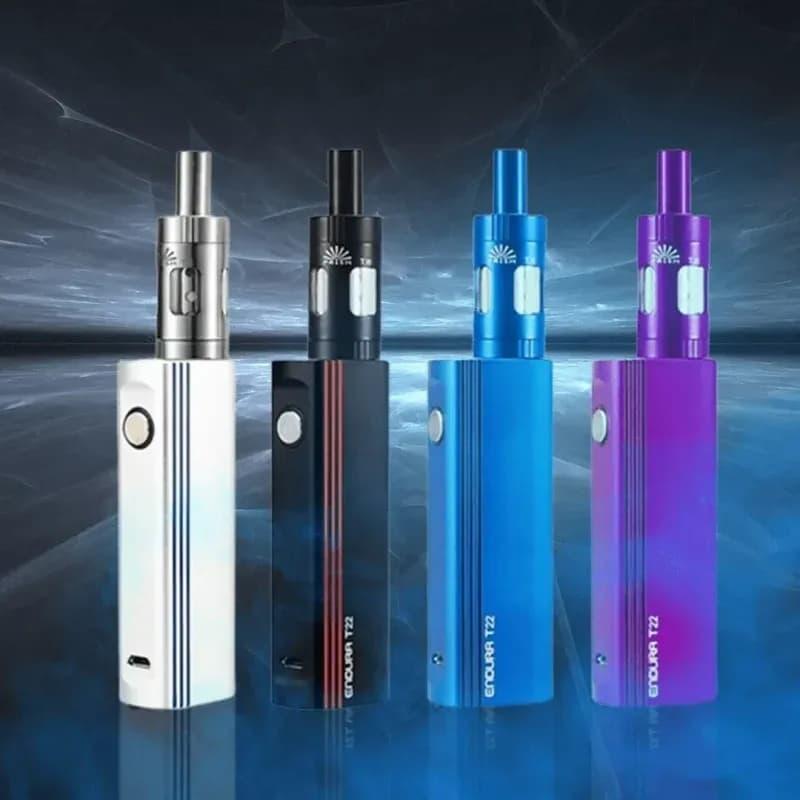
Harm-reduction strategies and quitting resources
Complete cessation of nicotine is the ideal. For those unable to quit immediately, strategies that reduce exposure and risk include:
- Eliminate dual use (using e-cigarettes alongside combustible cigarettes) since this does not reduce harm substantially.
- Lower nicotine concentrations gradually, if feasible, under medical supervision.
- Use evidence-based cessation aids such as nicotine replacement therapy (patches, gum), medications (varenicline, bupropion), and behavioral counseling.
Key takeaways
e-cigarety are devices that aerosolize a liquid; most do not contain shredded tobacco leaf, but many contain nicotine that may be derived from tobacco. Whether a product “contains tobacco” depends on whether you mean tobacco leaf or tobacco-derived nicotine. Users and caregivers should weigh addiction potential, respiratory and cardiovascular risks, and the uncertain long-term outcomes. Regulated products with transparent labeling reduce some uncertainty, but no inhaled product other than clean air is risk-free.
Further reading and evidence summaries
Summaries of systematic reviews and cohort studies suggest reduced exposure to some toxicants when smokers switch completely to regulated e-cigarette products, but also demonstrate increases in adolescent nicotine initiation and persistent dependence where uptake occurs. Policies that restrict youth-oriented flavors, control marketing, and demand product testing can mitigate public-health harms while preserving potential adult benefits for smoking cessation in clinical contexts.
FAQ
- Do e-cigarettes contain tobacco leaf?
No, most e-liquids do not include tobacco leaf; however, many contain nicotine that is derived from tobacco plants or produced synthetically. - Are e-cigarettes a safe way to quit smoking?
They may reduce exposure to combustion-related toxins if a smoker completely switches, but they are not risk-free. Evidence supports using approved cessation therapies and professional support as first-line options. - Can flavors be harmful?
Certain inhaled flavoring agents have been associated with respiratory irritation or toxicity in lab studies; long-term inhalation safety is not well established for many compounds. - How can I verify what’s in a product?
Check the label, look for a certificate of analysis, and prefer products sold under regulatory oversight that require ingredient disclosure and testing.